

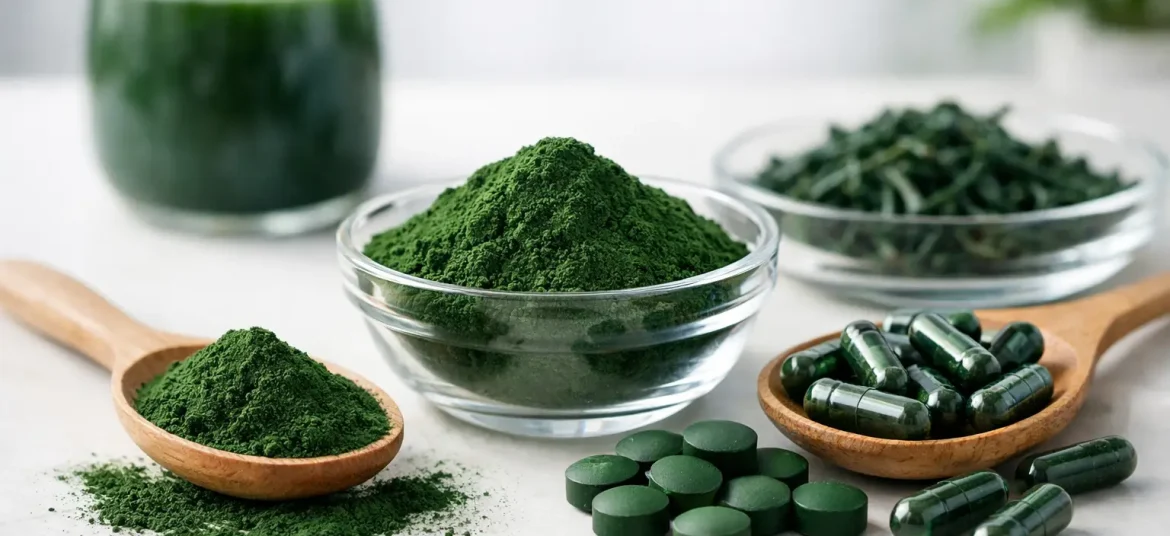
A spirulina tablet can look simple enough – small, dark green, easy to add to breakfast or take before heading to work. Yet a proper review of spirulina supplements is rarely about appearance alone. What matters more is where the spirulina comes from, how it is processed, whether it suits your routine, and what kind of support you can realistically expect from taking it consistently.
For many people, spirulina becomes part of a wider daily wellness routine rather than a quick fix. It often sits alongside better hydration, more regular meals, and a little more attention to sleep and movement. That is the right lens for assessing it. A good supplement should be practical, reliable, and easy to use long term.
Review of spirulina supplements: what to check first
The first point in any review is ingredient quality. Spirulina is a blue-green microalgae, and as with many natural ingredients, growing conditions matter. Clean cultivation, controlled harvesting, and careful drying help preserve the ingredient’s nutritional profile. If a product is vague about its sourcing or processing, that is usually a sign to pause.
Purity matters just as much as origin. Consumers often choose spirulina because they want simple, nutrient-dense support in a concentrated format. That only works well if the finished product is produced with proper quality control and tested to meet safety standards. In practical terms, you want a supplement that feels trustworthy, not one that relies on trendy language or oversized promises.
The next thing to consider is formulation. Some spirulina products are sold as pure spirulina, while others combine it with additional ingredients. There is no single right answer here. A pure formula appeals to people who want clarity and simplicity, especially if they are already taking other supplements. A blended formula may suit those looking for a more specific positioning, but it can make it harder to understand what the spirulina itself is contributing.
What a good spirulina supplement usually gets right
A strong spirulina supplement tends to do a few things well. First, it keeps the ingredient front and centre. Second, it is convenient enough for daily use. Third, it sets realistic expectations.
Convenience is often underestimated. Powders may sound appealing, but not everyone wants a green drink at 7 am before the school run or commute. Tablets are usually easier for consistent use, especially in busy households. They travel well, require no preparation, and are simpler to portion. On the other hand, powders may work well for people who already make smoothies or prefer flexible serving sizes.
Taste and smell also matter more than many brands admit. Spirulina has a distinctive marine, earthy profile. Some people are comfortable with that, while others find it difficult. If you know you are sensitive to stronger flavours, a tablet or capsule format is often the more realistic choice. The best supplement is not the one with the most dramatic label claims. It is the one you will actually keep taking.
Then there is dosage. Products vary, and more is not always better for every person. A sensible serving recommendation, clearly stated on the pack, is a sign of a responsible product. For first-time users, starting with the suggested amount and giving your body time to adjust is usually the better approach than taking an excessive amount from day one.
Review of spirulina supplements by format
If you are comparing options, format can shape the whole experience.
Tablets are the most straightforward for many adults. They are portable, tidy, and simple to include after breakfast or lunch. This suits people with office routines, parents managing family schedules, or anyone who prefers low-effort habits. Tablets also avoid the mixing, measuring, and cleanup that powders require.
Capsules offer similar convenience and may be preferred by those who do not like the compressed texture of tablets. However, some consumers prefer tablets because the spirulina itself feels more direct and less processed in presentation.
Powders are flexible and can be stirred into drinks or food, but they demand more commitment. They suit people who already enjoy preparing shakes, yoghurt bowls, or juices. The trade-off is taste. Spirulina powder is often the format where flavour becomes the deciding factor.
Chewables or flavoured versions may sound attractive, but they are worth checking carefully. Added sugars, flavourings, or unnecessary extras can change the product profile. For some users, that compromise is acceptable if it improves consistency. For others, a simpler formula is the better fit.
What to expect realistically from daily use
Spirulina is best viewed as daily nutrition support, not as a dramatic before-and-after product. Many people choose it as part of a routine that supports general wellbeing, vitality, and nutritional balance. That may sound modest, but modest is often where long-term value sits.
Some users say they feel more settled in their routine when they take spirulina consistently, particularly when regular meals and hydration are also in place. Others appreciate it as a practical addition during busier periods, when food choices are less balanced than usual. Those are realistic use cases. They are grounded in everyday life rather than exaggerated transformation stories.
It is also fair to say that experience can vary. Someone with a structured routine and a balanced diet may notice spirulina differently from someone who sleeps poorly, skips meals, and expects a supplement to carry too much of the workload. Supplements are support tools. They work best when they complement healthy habits.
How to judge quality without overcomplicating it
A thoughtful review of spirulina supplements should help readers simplify the decision, not make it feel technical for the sake of it. In most cases, four questions are enough.
Is the ingredient clearly identified? Is the format realistic for daily use? Does the brand communicate with clarity and restraint? And does the product fit your actual lifestyle?
That last question is often the most useful. A premium-looking jar is not necessarily the right choice if it ends up forgotten in the kitchen cupboard. A simpler, well-made product that slots into your morning routine may deliver better long-term value.
For households trying to build steadier wellness habits, consistency usually beats complexity. That is one reason spirulina remains relevant. It is relatively easy to understand, simple to take, and suitable for people who prefer structured daily support over constantly changing supplement trends.
Who spirulina supplements may suit
Spirulina can appeal to adults who want an easy addition to their daily nutrition routine. It is often considered by people with busy working days, those looking to keep their supplement routine simple, and families aiming to make better choices gradually rather than all at once.
It may also suit people who do not want a long list of separate products. A straightforward spirulina supplement can feel more manageable than a crowded shelf of powders, gummies, and sachets. That simplicity is part of its appeal.
At the same time, it may not be the ideal choice for everyone. If you strongly dislike algae-like flavours, powder may be a poor fit. If you are already taking multiple supplements, you may want to review the full routine before adding another product. And if you have specific health concerns, personalised advice from a qualified professional remains the sensible route.
The small details that influence long-term satisfaction
Packaging, storage guidance, and serving instructions can seem secondary, but they affect real-world use. Clear labelling helps households stay consistent. Easy-to-open packaging matters more than you might expect, especially for shared family use. Good storage guidance is another sign that a brand understands how products are actually used at home.
Price is worth considering too, but not in isolation. The cheapest option can be poor value if quality is unclear or the serving size makes regular use inconvenient. The most expensive option is not automatically better either. A sensible purchase is one that balances ingredient confidence, convenience, and repeatability.
For consumers who value a more structured wellness routine, it can also help to pair spirulina with a hydration habit. That does not mean building an elaborate plan. It simply means taking it at a consistent time, with water, and making it part of the same daily rhythm. Small habits tend to last longer than ambitious ones.
A useful review should leave you with a clearer standard, not just a shortlist. When choosing a spirulina supplement, look for quality you can trust, a format you will genuinely use, and claims that stay grounded in everyday wellness support. If a product makes daily nutrition feel easier rather than more complicated, it is probably moving in the right direction.
The best supplement choice is often the one that fits quietly into ordinary life and keeps doing its job day after day.