

You usually start asking what is spirulina used for when your routine feels slightly off rather than seriously wrong. Breakfast gets skipped, lunch is rushed, dinner is late, and you want something simple that supports daily nutrition without turning wellness into a full-time job. That is where spirulina often enters the conversation.
Spirulina is a blue-green microalgae valued for its dense nutrient profile. People commonly use it as part of a daily wellness routine to support balanced nutrition, maintain energy, add plant-based nutrients, and complement broader health habits such as sensible eating, hydration, sleep, and regular movement. It is not a shortcut, and it is not a substitute for proper meals, but it can be a practical addition when consistency matters more than perfection.
What is spirulina used for in real life?
In everyday use, spirulina is most often taken for nutritional support. Many adults do not eat as regularly or as broadly as they intend to, especially during busy workdays, school runs, commuting, or travel. Spirulina appeals because it offers a concentrated source of nutrients in a small serving, which makes it easy to fit into a simple routine.
People also use spirulina to support energy and vitality in a general sense. This does not mean an instant boost like coffee. The appeal is more steady than dramatic. When a supplement becomes part of a balanced routine, some people appreciate the feeling that they are covering a nutritional gap rather than chasing a quick pick-me-up.
Another common reason is antioxidant support. Daily life exposes the body to many ordinary stressors, from long work hours and irregular meals to pollution, exercise, and lack of sleep. Spirulina contains naturally occurring compounds that are often discussed in relation to antioxidant support, which is one reason it remains popular in wellness products.
For some, spirulina also fits into weight management support. That usually means using it as part of a more mindful routine rather than expecting it to do the work alone. It may suit people who are trying to stay on track with better food choices, portion awareness, and regular hydration.
Why people choose spirulina for daily nutrition support
Spirulina has a strong reputation because it is nutrient-dense. It is known for containing protein, chlorophyll, vitamins, minerals, and phytonutrients in a compact form. That matters when someone wants to support everyday wellbeing without adding another complicated step to the day.
This is also why spirulina often appeals to adults who are always on the move. Office workers, parents managing family schedules, and people who regularly eat outside the home may not always have ideal meal timing. A supplement cannot replace a proper plate of food, but it can help support consistency when daily eating patterns are less than ideal.
There is also a convenience factor. Spirulina is available in forms that are easy to carry and easy to take. For many households, convenience is the difference between a good intention and an actual habit.
Common uses of spirulina in a wellness routine
To support a more balanced diet
This is the most straightforward use. Spirulina is often added to a routine to complement daily food intake, especially when meals are repetitive or light on nutrient variety. If your usual pattern is kopi and toast in the morning, something quick at lunch, and a late dinner, a concentrated food-based supplement may feel like a sensible extra layer of support.
To support general energy and vitality
People often ask whether spirulina is for tiredness. A more accurate way to put it is that spirulina is used to support everyday vitality as part of a balanced lifestyle. If low energy is linked to poor sleep, stress, or irregular eating, no supplement will fix all of that on its own. Still, some people include spirulina because they want more nutritional structure in the day.
For antioxidant support
Spirulina is widely recognised for compounds linked to antioxidant activity. In practical terms, that makes it relevant for adults trying to maintain overall wellbeing in the middle of work pressure, urban living, family demands, and uneven routines. It is a supportive measure, not a dramatic one, but that is often what sustainable wellness looks like.
As part of weight management support
Spirulina is sometimes included in routines aimed at managing weight, usually alongside healthier eating and regular activity. The realistic expectation is support, not transformation. It may be useful for people who want a more disciplined daily structure and prefer a supplement that aligns with broader nutrition goals.
Who might find spirulina useful?
Spirulina tends to appeal to adults who want simple, consistent nutrition support. That includes busy professionals, parents, and anyone whose meals are often dictated by convenience. It may also suit people who prefer plant-based nutritional options or those looking to build a steadier routine around food, hydration, and supplements.
It can be suitable for households that value practical wellness habits rather than extreme programmes. In many Malaysian homes, the challenge is not lack of interest in health but lack of time. A routine that is easy to repeat usually works better than one that sounds ideal but is difficult to maintain.
That said, suitability still depends on the individual. Anyone who is pregnant, breastfeeding, managing a health condition, or taking regular medication should check with a healthcare professional before starting a new supplement. That is not alarmist advice. It is simply the sensible way to personalise your routine.
What to expect realistically
One reason people stop taking supplements is that they expect too much, too quickly. Spirulina is better understood as daily support rather than a dramatic fix. If your sleep is poor, your meals are irregular, and water intake is low, spirulina will not cancel out those habits. What it can do is sit alongside better choices and help make your routine more complete.
Some people notice the main benefit in the habit itself. Taking spirulina regularly can become a cue for other useful actions, such as drinking more water, eating breakfast, or being more consistent with meals. That may sound simple, but routines are where most long-term wellness decisions actually succeed or fail.
How to take spirulina consistently
The best time to take spirulina is usually the time you will remember. Some people prefer it in the morning as part of breakfast, while others take it with lunch or after a meal. The key is consistency. A supplement only becomes useful when it fits naturally into your day.
If you are new to spirulina, follow the product instructions and avoid the temptation to take more than recommended. More is not automatically better. Start with the suggested serving, give your routine time to settle, and pay attention to how practical it feels over several weeks.
Hydration also matters. If you are already trying to improve your daily wellness habits, pairing nutritional support with better water intake makes sense. For many families, that combination is more realistic than trying to overhaul everything at once.
What to look for when choosing a spirulina product
Not all spirulina products are presented in the same way, so quality and usability matter. A good product should make the ingredient, serving guidance, and daily routine clear. It should also feel easy to stick with. If a supplement is awkward to take, too messy, or difficult to remember, consistency usually drops.
Consumers often benefit from choosing a trusted brand with a clear product education approach. That matters because people do not just want to know what is in a supplement. They want to know how it fits into everyday life, what kind of support it is designed for, and what realistic use looks like over time.
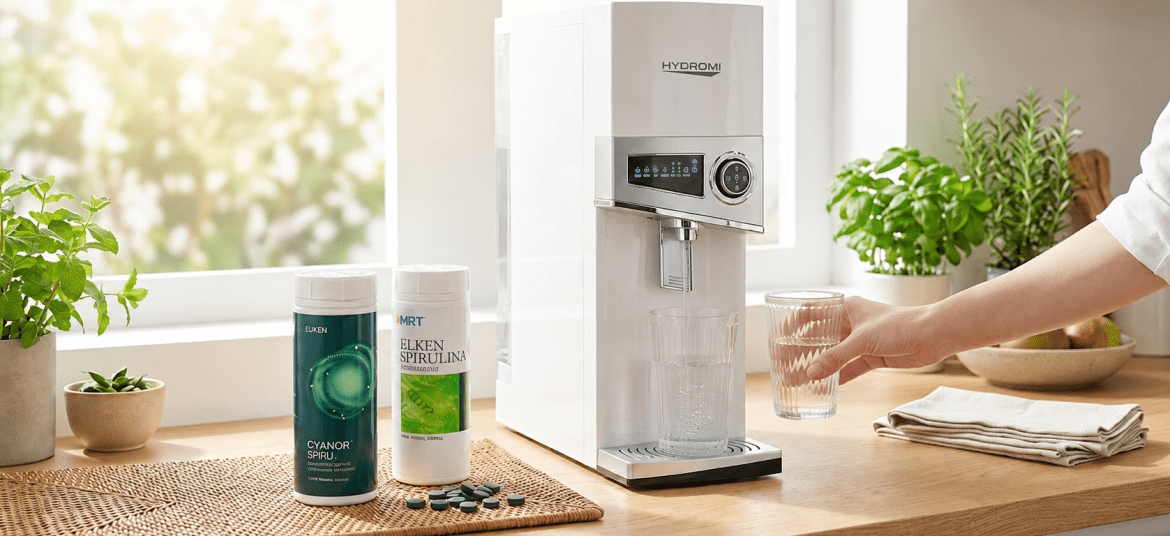
For readers exploring daily nutrition support, Elken Spirulina is positioned around this idea of practical, repeatable use. The value is not just in the ingredient itself but in making spirulina simple to understand and easy to include in an everyday routine.
What spirulina is not used for
This part is worth stating clearly. Spirulina is not used as a replacement for medical care, a cure for illness, or a licence to ignore diet and lifestyle. It is also not a magic fix for fatigue, weight concerns, or poor eating habits. Those expectations usually lead to disappointment.
A better approach is to see spirulina as one part of a bigger pattern. If your goal is to feel more supported day to day, small repeatable actions tend to matter most – sensible meals, enough water, regular sleep, some movement, and supplements used thoughtfully.
The most useful wellness products are often the ones that fit quietly into real life. If spirulina helps you build a steadier daily routine, that is usually where its value shows up.