

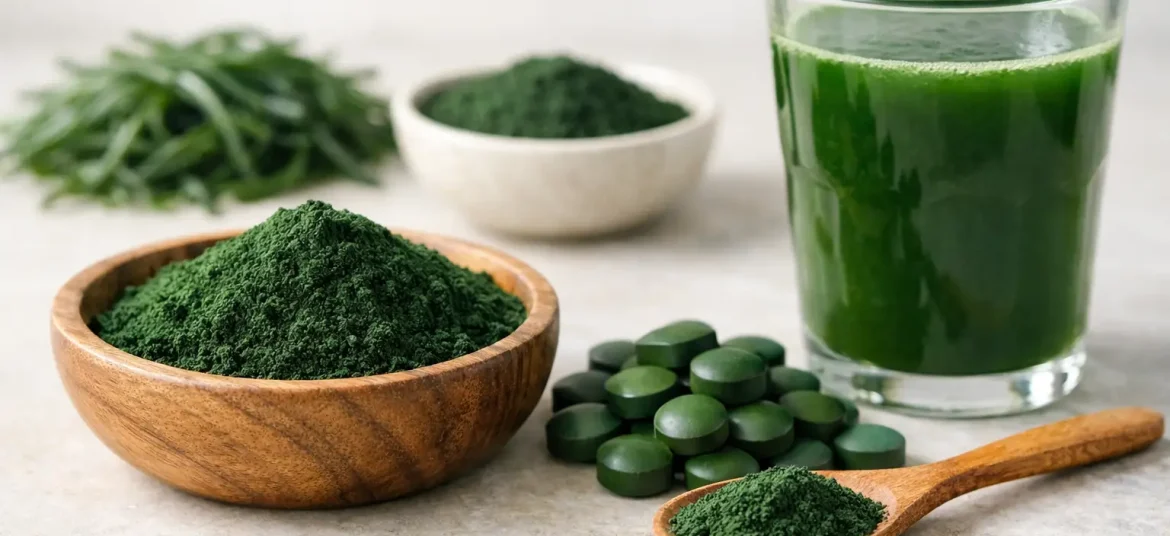
If you have ever picked up a spirulina supplement and wondered what the label is really telling you, you are not alone. A practical guide to spirulina nutrition facts helps you look past marketing words and focus on what matters – serving size, nutrient density, ingredient quality, and how it fits into a normal daily routine.
Spirulina is a blue-green algae that has been used as a concentrated food source for years. It is popular because it packs a wide range of nutrients into a small serving, which makes it appealing for busy adults, families building better habits, and anyone who wants straightforward nutrition support without adding another complicated step to the day. Still, spirulina labels can look impressive at first glance, so it helps to know how to read them with a balanced view.
Guide to spirulina nutrition facts: what spirulina actually contains
The first thing to understand is that spirulina is valued for nutrient density rather than large serving volume. A typical serving is quite small, often measured in tablets, capsules, or a few grams of powder. That means the nutrition panel may show modest numbers by weight, but those amounts are concentrated for the portion size.
Spirulina is especially known for its protein content. Depending on the source and processing method, dried spirulina can contain around 55 to 70 per cent protein by weight. That sounds high, but context matters. If your serving is only a few grams, it supports your daily intake rather than replacing other protein foods such as fish, eggs, tofu, beans, or yoghurt. It is best seen as a useful addition to a balanced diet, not a stand-alone answer.
It also contains naturally occurring vitamins and minerals, including iron, magnesium, potassium, and small amounts of B vitamins. Many people notice iron on the label first, and that can be one reason spirulina appeals to adults who want more variety in their nutrient intake. However, the exact levels depend on the product, the cultivation conditions, and how the manufacturer standardises the ingredient.
Another point often highlighted is the presence of pigments and antioxidant compounds, particularly phycocyanin, which gives spirulina its deep green-blue colour. This is one of the most distinctive natural components in spirulina and part of the reason it is often associated with general wellness support.
How to read a spirulina label properly
A good guide to spirulina nutrition facts should start with serving size, because that is where misunderstandings usually begin. Two products may both say they contain spirulina, but one serving might be 500 mg while another gives you several grams. If you compare nutrients without checking the serving size first, the numbers can be misleading.
Next, look at the form of the product. Spirulina comes as tablets, capsules, powder, and blended supplements. Pure spirulina products are easier to assess because you can see the ingredient more clearly. Blended formulas may include spirulina alongside other greens, vitamins, or flavouring ingredients, which can be useful, but they make it harder to judge how much spirulina you are actually getting.
You should also check whether the product lists only spirulina or includes excipients, binders, sweeteners, or added colourings. Not all additional ingredients are a problem, but simpler formulations are often easier for consumers to understand and use consistently.
Finally, look for sensible usage guidance. A credible product will explain how much to take, how often, and any practical precautions. Clear labelling usually reflects a more thoughtful approach to product education.
Protein in spirulina: useful, but keep it in perspective
Protein is one of spirulina’s best-known nutrition facts, but it helps to be realistic about what that means in daily life. Because servings are small, the total grams of protein per serving may not be especially high compared with a full meal. If you add spirulina to your routine, you are topping up your nutrition rather than replacing substantial food sources.
That said, concentrated protein in a compact format can still be useful. For people with busy schedules, light appetites in the morning, or simple supplement routines, spirulina can be an easy addition alongside breakfast or lunch. It may fit well with a broader approach that includes varied meals, enough water, regular movement, and consistent sleep.
Vitamins and minerals: why source and processing matter
Spirulina naturally contains a range of micronutrients, but labels are not always identical from one brand to another. Growing conditions, harvesting methods, drying temperatures, and storage can all influence the final nutritional profile. That is why two spirulina products may differ even if both appear similar at a glance.
For consumers, this means quality matters as much as the nutrient list itself. A well-produced spirulina supplement should come from controlled cultivation and careful processing designed to preserve nutritional value. This does not mean the most dramatic label is always better. Often, the more trustworthy option is the one that presents its facts clearly and avoids exaggerated promises.
What spirulina nutrition facts can and cannot tell you
Nutrition facts are useful, but they do not tell the whole story. A label can show you protein, iron, sodium, or other nutrients per serving, but it cannot fully explain how suitable the product is for your routine, taste preferences, or expectations.
For example, powder may offer flexibility if you like adding supplements to smoothies, yoghurt, or juice. Tablets can be more convenient if you want a quick, portable option before work or while travelling. Neither format is automatically better. It depends on whether you value convenience, taste control, or ease of measuring your intake.
Labels also cannot promise how you will feel. Some people like spirulina because it helps them stay consistent with a nutrition routine. Others may appreciate it as part of a broader wellness plan focused on balanced meals and hydration. The best expectation is a practical one – steady support through regular use, not instant change.
Who may find spirulina a good fit
Spirulina often appeals to adults who want a compact supplement with a broad nutrient profile. It can suit people who prefer a simple daily routine, those looking to complement a balanced diet, and households trying to keep wellness habits manageable rather than complicated.
In Malaysia, where many people juggle long workdays, commuting, and family meals that vary from day to day, convenience matters. A small, easy-to-take supplement can be easier to maintain than an elaborate food plan. That does not make spirulina a shortcut. It simply means routine-friendly products are often more realistic for daily use.
Spirulina may also appeal to those who do not always eat the same foods every day and want an extra layer of nutritional support. Still, individual needs differ. Children, pregnant women, people with medical concerns, or those taking regular medication should seek personalised advice before adding any supplement.
Guide to spirulina nutrition facts for daily use
If you are choosing a spirulina product for everyday use, focus on consistency over intensity. Start with the recommended serving on the label rather than assuming more is better. Supplements tend to work best when they are easy to keep up with, not when they become another task that gets dropped after a week.
It is often practical to take spirulina at the same time each day, such as with breakfast or after lunch. Pairing it with an existing habit can make it easier to remember. If you are also working on hydration, a simple routine around meals and water intake may feel more sustainable than trying to overhaul everything at once.
When reviewing products, look for quality manufacturing, clear ingredient information, and sensible guidance. This is where a trusted wellness brand can make a difference, because good product education helps consumers know not just what they are taking, but why the format and routine matter.
Common questions people have about spirulina labels
One common question is whether more tablets always mean more benefit. Not necessarily. What matters is the total spirulina content per serving and whether that amount matches the intended daily use.
Another question is whether all green supplements are the same. They are not. Spirulina has its own nutrient profile and characteristic compounds, so it should not be assumed to be identical to wheatgrass, barley grass, chlorella, or mixed greens formulas.
People also ask whether spirulina can replace vegetables. The honest answer is no. Spirulina can complement a balanced diet, but it should sit alongside normal meals, fruits, vegetables, and enough fluid intake rather than replacing them.
A useful label gives you facts. A useful routine gives those facts a place in everyday life. When you read spirulina nutrition information with that mindset, it becomes much easier to choose a product calmly, use it consistently, and build a wellness habit that actually lasts.