

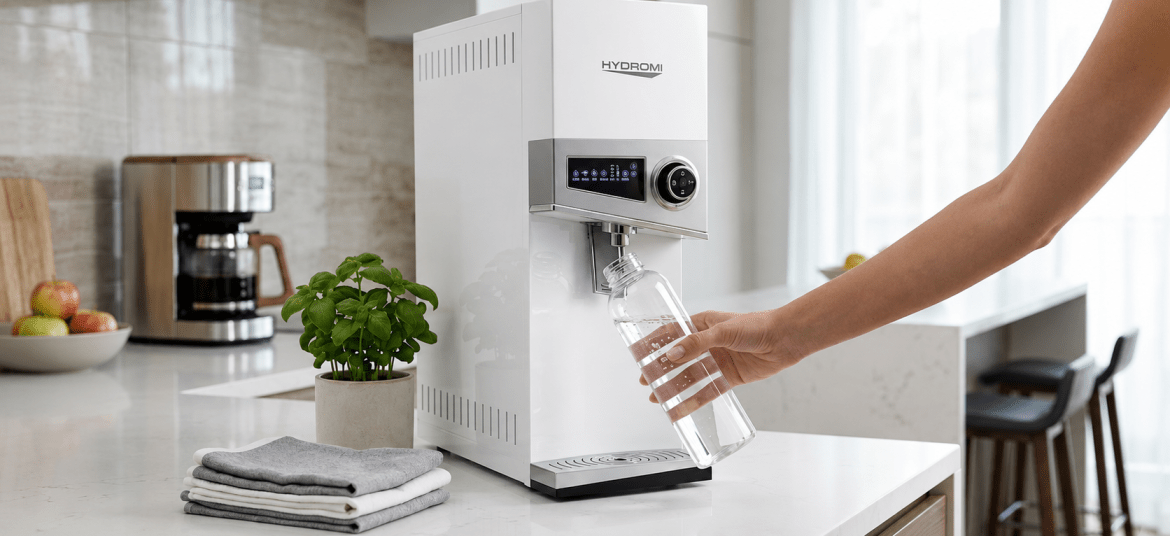
A glass of water should be the simplest part of your day. Yet for many households, the question is not whether to drink more water, but whether the water at home tastes right, feels pleasant to use, and fits the routine of the whole family. That is why interest in a water purifier Malaysian shoppers can trust has grown steadily, especially among people who want a more dependable hydration habit without adding hassle to the kitchen.
For most homes, the right choice is not about buying the most advanced system on paper. It is about finding a purifier that matches your water usage, your available space, and the level of maintenance you are realistically willing to keep up with. A young couple in a compact city flat may want a neat countertop unit. A larger family may care more about volume, refill speed, and whether everyone can use it with ease before school or work.
Why a water purifier matters in daily life
People often start looking for a purifier after a practical annoyance rather than a major problem. Tap water may have a slight chlorine taste. Boiling water may feel repetitive. Buying bottled water can become expensive and inconvenient, especially when you are carrying packs upstairs or storing them in a limited kitchen area.
A home water purifier helps simplify that routine. It can support more consistent hydration because clean, pleasant-tasting water is easier to reach for throughout the day. That matters not only at mealtimes, but also when preparing drinks, filling reusable bottles, making porridge for children, or keeping water ready for guests.
There is also a quality-of-life factor that should not be overlooked. When water tastes better and is easier to access, people generally use it more naturally. In many households, that small shift is what turns hydration from a good intention into a daily habit.
Water purifier Malaysia buyers should assess first
Before comparing features, it helps to step back and look at your home routine. A purifier is not just a product category. It becomes part of your kitchen workflow every day.
The first question is volume. If your household drinks a lot of water, cooks often, and fills multiple bottles before heading out, a low-capacity unit may become frustrating. If your household is smaller, a large and bulky system may take up valuable space without adding much benefit.
The second question is placement. Malaysian homes vary widely, from compact condominiums to landed homes with larger wet and dry kitchen arrangements. Measure the intended space properly. Think about access to power, ventilation, and whether the unit will interrupt food preparation areas.
The third question is ease of use. Some people want straightforward dispensing and simple indicators for filter replacement. Others are open to more features if the display and maintenance reminders are clear. In real life, user-friendliness matters as much as technical specifications.
Understanding filtration without overcomplicating it
When people research purifiers, they often encounter a long list of terms that sound impressive but are not always explained clearly. The most useful approach is to focus on what the filtration system is designed to do for day-to-day household use.
A purifier typically aims to improve water quality by reducing unwanted impurities and enhancing taste and odour. Depending on the system, it may use multiple stages of filtration to address particles, chlorine, and other elements that affect the drinking experience. A multi-stage approach can be helpful because different filters play different roles.
That said, more stages do not automatically mean a better fit. It depends on design quality, consistency of performance, and whether the system is maintained properly. A well-designed purifier with sensible upkeep is usually more valuable than a complicated machine that gets neglected after a few months.
For consumers exploring hydrogen wellness, some systems go beyond basic purification and incorporate hydrogen-related features as part of the drinking experience. In that case, it is worth understanding the difference between water filtration and hydrogen generation. Filtration focuses on water quality and cleanliness. Hydrogen-related functions are part of a broader hydration preference and routine. They are connected, but they are not the same thing.
Choosing features that genuinely help
It is easy to be distracted by feature lists. The better question is whether the feature improves daily use for your household.
Temperature options can be useful for busy families. Room temperature water supports regular drinking, while warm or hot water may help with morning routines, tea preparation, or quick meals. Safety locks matter if children are around. A clear display can make operation more intuitive for older family members as well as younger adults.
Some buyers also value design more than they expect. A purifier that looks clean and modern is more likely to stay in a visible, convenient place rather than being tucked away awkwardly. That sounds minor, but accessibility strongly affects usage. If getting a glass of water feels easy, people are more likely to do it.
Noise level is another practical point. In open-plan homes or smaller kitchens, a loud unit can become irritating over time. This is one of those trade-offs that rarely appears at the top of a product page but matters after weeks of use.
Maintenance is part of the product, not an afterthought
A purifier only performs well when it is maintained properly. This is where many buyers underestimate the long-term experience. They focus on purchase price and appearance, then later realise that filter replacement schedules, cleaning routines, and servicing support matter just as much.
If you want a low-effort setup, look for a system with clear maintenance guidance and practical reminders. Good product education is especially valuable here. You should know what to replace, when to replace it, and what changes in taste or flow rate might signal that attention is needed.
Households with packed schedules often benefit from systems that make maintenance easy to understand rather than overly technical. A premium product should not only perform well, but also help the user care for it confidently.
For those interested in hydration technology, this is one area where credible brand guidance adds real value. A product backed by clear usage instructions, maintenance support, and science-informed design can feel more reassuring than one that simply offers a long list of claims.
Is a countertop or built-in system better?
This depends on your home and how permanent you want the setup to be. Countertop systems tend to suit renters, smaller households, or anyone who wants a simpler installation path. They are easier to integrate into an existing kitchen and can be a sensible choice if flexibility matters.
Built-in or more integrated systems may suit homeowners who want a tidier long-term arrangement and are planning around kitchen layout more carefully. They can look cleaner and feel more streamlined in daily use, but they may involve more commitment when it comes to installation and servicing.
Neither is universally better. The right answer depends on your space, budget, and how settled your household setup is likely to be over the next few years.
How hydration goals fit into the decision
Some people shop for a purifier mainly because they want cleaner-tasting drinking water. Others are also trying to build a more intentional wellness routine at home. If that sounds familiar, it helps to think beyond the appliance itself.
A good water setup should support habits you can maintain. That may mean keeping water easily available during the workday, encouraging children to refill their bottles, or making it simpler to choose water over sugary drinks. For people exploring hydrogen water, the aim is often to make that choice part of everyday life rather than something occasional.
This is where product education becomes useful. Features should support routine, not complicate it. If a system fits naturally into breakfast, office prep, gym recovery, and evening family time, it is more likely to deliver value over the long term.
What a sensible buying decision looks like
The best purchase is usually the one that feels balanced. It suits your household size, offers filtration you understand, includes features you will actually use, and does not create unnecessary maintenance stress.
It is also sensible to set realistic expectations. A purifier can improve convenience, taste, and your confidence in daily water use, but it should be viewed as part of a broader home wellness routine. Consistent hydration, sensible maintenance, and choosing a product built for regular use are what make the difference over time.
For Malaysian households considering a premium hydration solution, it can be worth looking at systems designed not only for purification but also for a more thoughtful drinking experience, such as Hydromi. The strongest products in this space tend to combine practical filtration, everyday usability, and clear support so that the system remains useful long after the first week.
When you choose a water purifier, choose one that fits the life you already live – and makes the healthy part of that life easier to repeat tomorrow.