

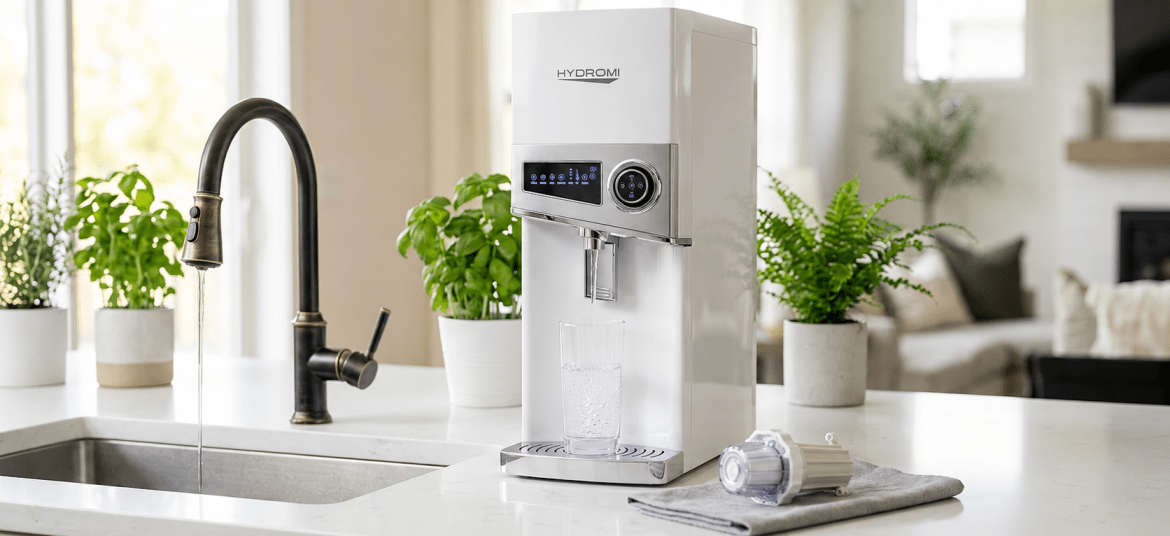
If your Hydromi unit has started to flow a little slower, looks like it needs a refresh, or has simply been in daily use for a while, cleaning the filter is one of the easiest ways to keep your water routine on track. Knowing how to clean Hydromi filter parts properly helps support consistent performance, better hygiene, and a smoother everyday experience for the whole household.
For many families, a water appliance becomes part of the kitchen rhythm very quickly. It is used before school, after exercise, during meals, and throughout busy work-from-home days. That is exactly why maintenance matters. A good cleaning routine does not need to be complicated, but it does need to be regular and gentle enough to protect the filter and the unit.
How to clean Hydromi filter without damaging it
The first thing to keep in mind is that cleaning and replacing are not the same thing. A filter can collect sediment and impurities as part of normal use, and some external build-up may be cleaned from surrounding components. But a filter cartridge itself is still a consumable part with a service life. Cleaning helps with upkeep, yet it does not make an old filter new again.
Before you start, switch off the unit if needed and make sure your hands are clean. Remove the filter according to the product instructions for your specific Hydromi model. If a part feels stuck, do not force it. Gentle handling is better than twisting too hard and damaging seals or fittings.
In most cases, the safest approach is to rinse removable non-electrical parts with clean water and wipe accessible surfaces with a soft cloth. If there is visible residue around the housing, use mild cleaning methods only. Avoid harsh chemical cleaners, bleach, abrasive scrubbers, or very hot water unless the product guidance specifically allows it. Strong cleaning products can leave residue behind or affect the condition of plastic and sealing parts.
If your filter housing has collected dirt or mineral marks, a soft cloth dampened with clean water is usually enough. For stubborn external water marks, a mild food-safe cleaning approach may help, but the key is moderation. Anything too aggressive can create more problems than it solves.
What you should clean and what you should not
When people search for how to clean Hydromi filter systems, they often mean the whole filter area rather than the internal filter media itself. That distinction matters.
The outer housing, cover, water contact surfaces that are designed to be removed, and surrounding fittings may be cleaned carefully. These are the areas where everyday dust, splashes, and light residue tend to show up first.
The internal filter media, on the other hand, should not usually be scrubbed, pierced, soaked in strong solutions, or washed in a way that compromises its structure. Filtration materials are designed to perform in a specific way. Once damaged, compressed, or contaminated by unsuitable cleaning agents, they may not work as intended.
If the cartridge is discoloured, has an odour that does not improve after proper external cleaning, or is close to the recommended replacement interval, replacing it is often the better choice. This is especially true in households with heavier daily use, harder water, or more visible sediment in the incoming supply.
A simple cleaning routine that suits daily home use
A practical routine works better than occasional deep cleaning. For most homes, a quick wipe of the exterior and inspection of the filter area every week helps prevent build-up from becoming difficult to manage.
Every few weeks, depending on usage, remove the accessible parts and check for residue, trapped particles, or signs that the flow rate has changed. If your kitchen sees frequent cooking, open windows, and general household activity, light dust and grease in the environment can settle more quickly than expected.
Monthly care is a sensible rhythm for many users, but the exact timing depends on your household. A couple living in a flat may have very different maintenance needs from a larger family filling bottles all day. The point is not to follow a rigid calendar without thinking. It is to notice patterns in your own usage.
Signs your Hydromi filter needs attention
Some signs are obvious. If the water flow slows down, the filter area looks dirty, or the unit has not been cleaned for longer than you can remember, it is time to check it.
Other signs are more subtle. You may notice that the appliance no longer feels as fresh to use, that there is visible residue near the housing, or that daily operation is simply not as smooth as before. These small changes often appear before performance issues become frustrating.
If your area has more minerals in the water, external marks may appear sooner. In warmer and more humid conditions, regular wiping also helps keep the unit looking clean and well cared for. This is especially relevant in Malaysian homes, where kitchen appliances often work hard in a busy, warm environment.
Cleaning steps in a safe order
Start by preparing a clean workspace near the sink. Remove the water container or related detachable parts if your model includes them. Take out the filter only as instructed by the product manual.
Rinse the removable housing components with clean water. Use a soft brush only if the manufacturer allows it, and only for areas that are not part of the filter media. Wipe the main body with a soft damp cloth, taking care to keep electrical sections dry.
After cleaning, allow parts to dry as recommended or wipe them with a clean lint-free cloth. Reassemble carefully, making sure each part is properly seated. Once the unit is back together, run the recommended amount of water through it before regular use if your product instructions advise this. That helps clear any loose particles from handling.
This process is simple, but rushing it can lead to leaks, poor fit, or unnecessary wear. A calm five to ten minutes is usually better than trying to do it in the middle of a hectic kitchen moment.
Common mistakes when learning how to clean Hydromi filter parts
One common mistake is using strong detergents because the user wants everything to feel extra clean. In reality, milder care is often safer for water appliances. Another is trying to extend the life of a filter cartridge indefinitely through cleaning alone. Maintenance supports performance, but it does not replace scheduled replacement.
Some people also wait until there is a clear problem before doing any cleaning. That tends to make the job harder. Light, regular care is easier and more effective than dealing with heavy build-up later.
There is also the issue of overhandling. Taking apart more than necessary, poking into filter layers, or forcing components loose can reduce the reliability of the system. If you are unsure whether a part is meant to be removed, check the product guidance first.
When cleaning is not enough
Sometimes the right answer is not another clean. If the filter has reached the end of its recommended usage period, replacement is the more reliable option. The same applies if there is persistent blockage, visible damage, cracking, or signs that a seal is no longer sitting properly.
This is where realistic expectations matter. Water filtration products are designed for daily support and convenience, but all consumable parts have limits. Looking after them well helps you get the best from them during their intended lifespan.
For households that use a Hydromi unit heavily every day, it may help to keep a simple maintenance note on your phone. Record when you last cleaned the housing and when the filter was installed. That small habit can save guesswork later.
Keeping your water routine consistent
A clean appliance is easier to trust and easier to use consistently. That matters because the best hydration routine is usually the one that fits naturally into daily life. If your water system is clean, working properly, and easy to maintain, it is far more likely to stay part of the family routine.
Good maintenance also supports product longevity. It helps the unit stay presentable on the kitchen counter, reduces unnecessary strain from residue or blocked flow, and gives you a clearer sense of when a part genuinely needs replacing.
If you are ever unsure about how to clean Hydromi filter components for your specific model, the safest path is to follow the product care instructions rather than improvising. A careful routine, a gentle touch, and timely replacement usually make the biggest difference. Small habits like these keep everyday water use feeling simple, clean, and well looked after.