

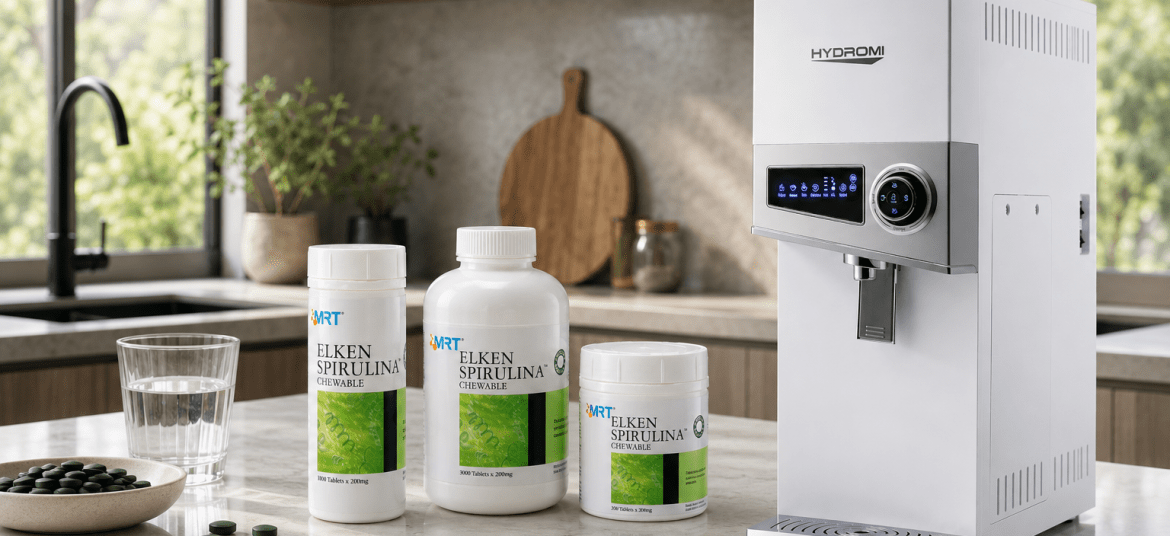
By 10 am, many adults have already had coffee on an empty stomach, rushed through traffic, skipped water, and answered more messages than they have taken full breaths. That is exactly why a detox routine for busy adults needs to be practical rather than extreme. Real wellbeing support does not come from a harsh three-day reset. It usually comes from what you do every day to support hydration, digestion, energy, sleep, and your overall environment.
The word detox is often used loosely, so it helps to keep expectations clear. Your body already has built-in systems that process and eliminate waste. A sensible routine is not about forcing a dramatic cleanse. It is about creating better daily conditions so your body is not constantly working against dehydration, irregular meals, poor sleep, and a cluttered home routine. For busy adults, that is the difference between a plan that lasts two days and one that fits real life.
What a detox routine for busy adults should actually do
A useful routine should reduce daily strain, not add more of it. That means supporting steady hydration, more regular eating patterns, sensible movement, and enough rest to recover from long workdays. It can also include simple nutrition support and cleaner household habits, because wellbeing is shaped by what you eat and drink as well as the environment you come home to.
This matters even more when your schedule is packed. If you work long hours, commute, manage family responsibilities, or often eat outside the home, the biggest challenge is consistency. A realistic detox routine should be easy to repeat on weekdays, flexible enough for weekends, and simple enough that another busy week does not throw it off completely.
Start with hydration, because most routines fail here
When people say they feel heavy, tired, or out of rhythm, hydration is often the first place to look. Many adults in Malaysia live in warm conditions, spend time in air-conditioned offices, and drink more sweetened beverages or caffeine than plain water. That combination can leave you feeling flat by midday.
Start the day with water before coffee or tea. Then make hydration easier to maintain instead of relying on memory. A bottle at your desk, water with meals, and a simple refill habit can do more than a complicated detox drink ever will. If your household is trying to improve daily water quality, this is where a reliable purification system becomes relevant. Better-tasting, convenient water at home often leads to more consistent drinking throughout the day.
For adults exploring hydrogen water, the most useful question is not whether it can replace all other wellness habits. It cannot. The better question is whether it can help support a more consistent hydration routine because it is enjoyable and easy to include. That depends on your lifestyle, how often you are at home, and whether the system suits your household size and maintenance expectations.
A simple hydration pattern that fits workdays
Aim to spread water intake across the day rather than drinking very large amounts at once. A glass on waking, one with breakfast, one mid-morning, one with lunch, one mid-afternoon, and one with dinner is more manageable than trying to catch up at night. If you exercise, commute in the heat, or spend a lot of time outdoors, you may need more.
Food choices matter more than short cleanses
A busy adult usually does not need a juice-only plan. In fact, many people feel worse on one because they end up hungry, distracted, and short on protein or fibre. A better detox routine focuses on meals that are easier on the body while still being satisfying.
Think in terms of regularity and balance. Breakfast does not need to be large, but skipping it and then overeating later can leave energy levels uneven. Lunches that include vegetables, a source of protein, and something filling such as rice, oats, or wholegrains are usually easier to sustain than very restrictive meals. At dinner, lighter cooking methods and more vegetables can help, especially if you often eat late.
This is also where daily nutrition support may have a place. Some adults struggle to eat consistently well every day, especially during busy weeks. A simple supplement routine can help support everyday nutritional intake when used sensibly alongside meals. Spirulina, for example, is popular among people looking for a straightforward daily habit because it is easy to take and fits into morning or lunchtime routines. The value is in consistency, not in expecting one product to compensate for poor habits across the board.
Keep your weekday meals uncomplicated
The more decisions a routine requires, the less likely it is to last. Preparing a few repeatable meals, carrying fruit or nuts, and having a reliable option for busy afternoons can prevent the usual slide into sweet drinks and convenience snacks. If your workdays are unpredictable, even one stable meal each day is a useful anchor.
Support digestion without overcomplicating it
Digestive comfort is often part of what people mean when they talk about feeling like they need a detox. Heavy meals, rushed eating, low water intake, and late nights can all contribute to that sluggish feeling. The answer is usually simpler than advertised.
Eat more slowly when you can. Include fibre from vegetables, fruit, and whole foods more regularly. Avoid making every social meal a test of discipline, but notice patterns that leave you uncomfortable the next day. Some people do well with smaller dinners during the workweek, while others need a more substantial evening meal because lunch is rushed. It depends on your schedule.
This is where being honest about your routine helps. If you regularly eat at your desk, travel between appointments, or collect takeaway for the family after work, your detox plan should reflect that reality. A plan that only works on ideal days is not much use.
Sleep is part of any detox routine for busy adults
Adults often look for wellness support in drinks, supplements, and meal plans while ignoring the one thing that makes all of those habits harder to maintain – poor sleep. If you are sleeping badly, cravings rise, energy drops, and routines become more reactive.
A practical change is to make your last hour of the evening less stimulating. That may mean lighter suppers, fewer caffeinated drinks late in the day, and a more predictable bedtime. You do not need a perfect routine every night. Even a modest improvement in sleep timing can make hydration, food choices, and morning energy easier the next day.
Your environment affects your routine more than you think
Wellbeing at home is not only about what is in your glass or on your plate. It is also shaped by the systems around you. A kitchen that makes water easy to access, a bathroom stocked with essentials, and a home environment that feels clean and manageable all reduce friction.
This point is easy to overlook, but it matters for busy households. If healthy choices require extra effort, you will default to whatever is fastest. If clean drinking water is ready, if supplements are stored where you will see them, and if your daily essentials are easy to maintain, routine becomes more automatic.
That is one reason product design matters. Good wellness products should support daily use, not create more work. Whether you are choosing a water solution, a nutrition product, or household essentials, ease of use and maintenance are not minor details. They are often the reason a good intention becomes a lasting habit.
A seven-day reset is less useful than a repeatable weekday plan
There is nothing wrong with wanting a fresh start, but many detox plans fail because they are designed like events rather than routines. Busy adults do better with a Monday-to-Friday pattern they can repeat most weeks. That might mean water before caffeine, a steadier lunch, one simple nutrition habit, a lighter evening meal, and a clearer bedtime.
Weekends can be more flexible. Social meals, family outings, and travel happen. The goal is not to avoid them. The goal is to return to your usual rhythm without feeling that one indulgent meal has undone everything. A good routine should be stable enough to handle real life.
When to keep expectations realistic
Not every low-energy week is a sign that you need a detox. Sometimes you need more sleep, a better breakfast, less alcohol, or a more manageable schedule. Sometimes stress is the main issue. Wellness routines can support you, but they are not a substitute for medical advice if something feels persistently off.
That balanced view matters. A good detox routine should help you feel more supported and more consistent. It should not make you anxious about every meal or promise dramatic changes overnight. If a routine improves your hydration, steadies your meals, and helps you feel more comfortable in your day, that is already meaningful progress.
For most adults, the best reset is not dramatic. It is a glass of water when you wake up, meals that do not leave you depleted, a daily habit you can keep, and a home set-up that makes better choices easier. Start there, keep it realistic, and let your routine do the quiet work.