

Walk through any pharmacy, supermarket, or online wellness store and one thing becomes obvious quite quickly: choice is no longer the problem. The real question is what the future of wellness supplements will look like for people who want something simpler, more reliable, and easier to use every day.
For most households, supplements are no longer seen as occasional extras. They are becoming part of a wider daily routine that also includes hydration, balanced meals, sleep, movement, and better product choices at home. That shift matters because it changes what people expect from supplements. They want more than bold packaging or fashionable ingredients. They want clarity, steady quality, and products that fit real life.
The future of wellness supplements is moving towards daily practicality
A few years ago, many supplement trends were driven by novelty. One month it was a single superfood, the next it was a new botanical blend with dramatic claims. Consumers are now becoming more careful. They are reading labels more closely, asking how a product is meant to be used, and thinking about whether they can realistically take it every day.
This is likely to shape the future of wellness supplements more than any single ingredient trend. Products that succeed will usually be the ones that support consistency. That means straightforward serving guidance, formulations designed for long-term use, and benefits that make sense within a normal routine.
For example, a busy adult may not want a shelf full of complex products with different timing instructions. A parent may prefer something simple enough to keep near the breakfast table. An older family member may care more about ease of use than novelty. These are practical decisions, but they are often what determine whether a supplement becomes part of everyday life or stays unopened in a cupboard.
Smarter formulations, not just longer ingredient lists
There is a common assumption that more ingredients automatically means a better supplement. In reality, consumers are becoming more aware that formulation quality matters more than sheer quantity.
The future of wellness supplements will probably favour products designed with clearer purpose. Instead of throwing many ingredients into one label, brands will need to explain why each component is included, how it works within the formula, and who it may suit. This does not mean every supplement needs to be highly technical. It means the thinking behind the product should be easier to understand.
Science informed formulation will also become more visible. Consumers increasingly want to know about sourcing, standardisation, dosage logic, and product quality controls. They may not read every detail, but they notice when a brand communicates with care rather than hype.
At the same time, there is a trade-off. Highly specialised formulations can be useful, but they may also feel complicated or expensive for everyday users. Simpler products with a familiar ingredient profile can sometimes be a better fit for households focused on routine, value, and long-term use.
Whole-food support will stay relevant
Even as supplement technology improves, interest in recognisable, food-based ingredients is not going away. In fact, it may grow stronger.
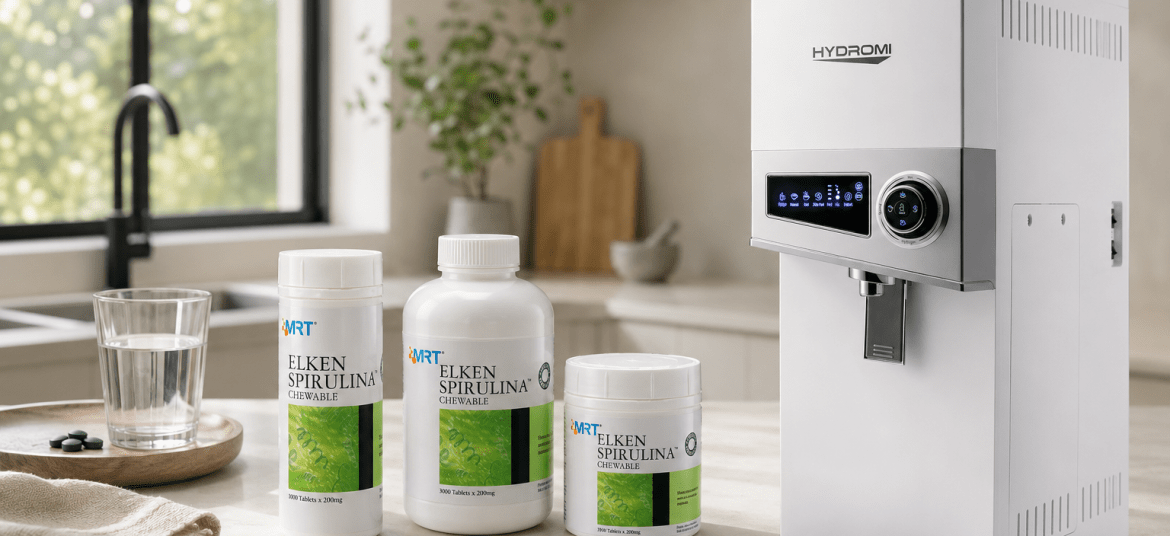
That is because many consumers are trying to close everyday nutrition gaps rather than chase extreme outcomes. They want support that feels compatible with regular eating habits, not something separate from normal life. Ingredients such as spirulina continue to attract attention for this reason. They are easy to understand at a basic level, and they fit naturally into a daily wellness conversation centred on consistency.
For people exploring daily nutrition support, the appeal is often simple. They want a product they can take regularly without turning it into a complicated programme. They also want realistic expectations. A supplement may support overall wellbeing when used consistently, but it is not a shortcut for poor habits.
This is where brand education matters. Clear guidance on what an ingredient is, how to take it, and what role it plays in a balanced routine helps consumers make better choices. It also builds trust.
Personalisation will grow, but not always in a high-tech way
Personalisation is often presented as a future driven by apps, quizzes, and data tracking. Some of that will continue, especially in digital retail. Yet for many families, personalisation is much more basic.
It starts with questions like these: Is this suitable for my routine? Can I take it in the morning? Will it fit into a family schedule? Does it pair well with my hydration habits and meal timing? Those are practical forms of personalisation, and they matter.
The future of wellness supplements is therefore likely to include both advanced and simple approaches. On one side, there will be products tailored to specific life stages or preferences. On the other, there will be dependable daily supplements designed for broad lifestyle support.
Neither approach is automatically better. It depends on the user. Someone with a very focused wellness goal may prefer a targeted product. Someone building a more stable daily routine may do better with a straightforward supplement they can maintain over time.
Supplements will be judged as part of a wider wellness system
One of the biggest shifts ahead is that supplements will increasingly be evaluated alongside other daily wellness habits. Consumers are becoming more aware that a supplement works best within a broader routine, not in isolation.
Hydration is a good example. People who are paying closer attention to what they consume each day are also becoming more interested in the quality of the water they drink. That makes sense. If a household is trying to support better daily habits, cleaner hydration and sensible nutrition often belong in the same conversation.
This broader view is especially relevant in Malaysian homes, where family routines can be busy, meals are social, and daily schedules vary across generations. A product that supports everyday use has an advantage when it fits naturally into what people are already doing – drinking water, preparing breakfast, packing for work, or setting up the next day’s essentials.
That is why supplement brands will increasingly need to show how their products fit into real routines. Not just what the product contains, but how it is actually used from Monday to Sunday.
Trust, traceability, and education will matter more than trend cycles
Consumers are learning to be sceptical of dramatic wellness promises, and that is a healthy change. It pushes the category in a better direction.
The future of wellness supplements will belong to brands that explain products clearly, communicate quality standards openly, and avoid exaggerated claims. This includes straightforward labelling, sensible usage instructions, and realistic descriptions of what a product is designed to support.
Traceability is part of this shift too. People want more confidence in how products are developed, manufactured, and maintained. They may not ask for technical documents, but they do respond to visible signs of care, such as clear ingredient education, quality-focused messaging, and a consistent product experience.
This is also where product ecosystems become useful. A trusted wellness brand should help consumers make joined-up choices across categories. Someone interested in daily nutrition support may also care about hydration quality, personal care, or a cleaner home environment. When the guidance is clear, the overall routine becomes easier to build and maintain.
What consumers should look for next
As the market evolves, the best approach is not to chase every new launch. It is to become better at recognising what is genuinely useful.
A strong supplement for the future will usually have a clear purpose, an understandable ingredient story, and a realistic place in daily life. It should be simple enough to use consistently and credible enough to trust over time. If a product sounds impressive but leaves you unsure when to take it, who it suits, or what role it plays, that uncertainty matters.
It also helps to think in routines rather than single purchases. A supplement should complement your meals, hydration habits, and general lifestyle. If you are already trying to build a steadier daily rhythm, the right product should make that process easier, not more complicated.
For brands such as Elken, this creates a useful standard. Product education should not stop at features on a label. It should guide people towards practical routines that make sense at home, at work, and across family life.
The next phase of wellness supplements will probably look less dramatic than many trend forecasts suggest. It will be quieter, more informed, and more connected to everyday habits. That is a good thing. When wellness products become easier to understand and easier to use well, they become more valuable in the moments that actually shape daily life.