

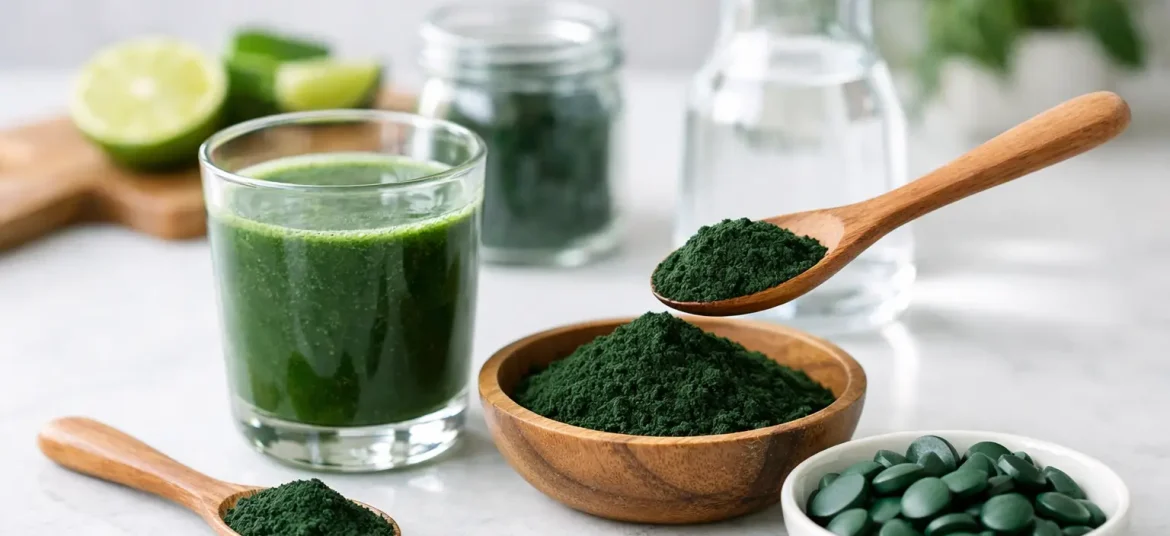
You do not need a complicated wellness plan to make spirulina part of daily life. If you are wondering how to start spirulina routine habits that actually last, the best approach is usually the simplest one: begin with a small amount, take it consistently, and fit it into a time of day you already remember.
That matters because spirulina is often bought with good intentions, then left at the back of the cupboard once routines get busy. A practical routine works better than an ambitious one. Whether you are managing work, family meals, school runs or long commutes, the goal is to make spirulina feel easy enough to continue.
What spirulina is and why people take it
Spirulina is a nutrient-dense blue-green algae that is commonly used as a daily nutrition supplement. People often choose it as part of a broader routine to support balanced nutrition, everyday vitality and general wellbeing. It is not a shortcut, and it is not meant to replace meals, sleep or a varied diet. Think of it as one supportive part of a steady routine.
For many adults, the appeal is consistency. A supplement that can be taken daily, without much preparation, suits modern households far better than a plan that takes too much time. That is especially true when mornings are rushed or meal patterns are not always ideal.
How to start spirulina routine habits that stick
The most reliable way to begin is to start low and stay regular. Taking a smaller amount first gives you time to see how it fits into your day and how comfortable it feels as part of your normal eating pattern. Some people prefer taking spirulina in the morning because it is easier to remember. Others take it after lunch or with an evening meal because that is when supplements naturally fit into their routine.
A good starting point is the serving guidance on the product label. Follow that rather than guessing. If you are completely new to spirulina, some people like to begin with a lower portion for the first several days, then move up gradually to the suggested daily amount. That gentler approach can feel more manageable, especially if you are introducing more than one wellness habit at the same time.
Consistency matters more than perfect timing. Taking spirulina every day with breakfast is usually more useful than taking a larger amount only once in a while. If you miss a day, just continue the next day as normal. There is rarely any benefit in doubling up.
Choose the easiest time of day
The best time to take spirulina is the time you will remember. For many people, that is alongside an existing habit such as breakfast, morning water, lunch at the office or supper at home. Attaching it to a routine you already follow is one of the easiest ways to reduce forgetfulness.
Morning works well if you like to keep supplements together in one place and complete them before leaving the house. It can be especially practical for working adults who want fewer things to think about later in the day. On the other hand, if your mornings are hectic, a lunchtime or evening routine may be more realistic.
There is no single perfect clock time for everyone. It depends on your schedule, whether you prefer taking supplements with food, and how simple you want the habit to feel.
With food or without food?
Many people prefer taking spirulina with food or shortly after a meal because it feels gentler and easier to remember. Others are comfortable taking it with water on its own. If you are just starting, taking it with a meal is often the more practical option.
What matters most is keeping the routine steady. Pairing spirulina with a proper glass of water is also a sensible habit, particularly in warm weather or busy days when hydration is easy to overlook.
Start small, then build gradually
A common mistake is trying to do everything at once. New supplement, new meal plan, new exercise goal, earlier bedtime – that can be hard to sustain. Spirulina routines tend to work better when they are introduced calmly.
Start with the label guidance and build confidence first. If your chosen product provides a structured serving recommendation, use that as your baseline. Over time, once the habit feels automatic, keeping to the recommended daily intake becomes much easier.
This gradual approach is also useful for families or shared households. If more than one adult at home is taking spirulina, keeping it near the dining area or next to daily water bottles can make the routine more visible and more consistent.
Practical ways to fit spirulina into daily life
The easiest routine is often the one with the fewest decisions. If your spirulina comes in tablets, keep them somewhere clean, dry and easy to reach, but away from direct heat and moisture. If it is in powder form, use a spoon you keep with the container so preparation feels quick rather than fiddly.
Tablets usually suit people who want convenience and portability. They are simple to bring to work or keep in a bag if your days are unpredictable. Powder can suit people who already make smoothies or like mixing supplements into drinks, but it does require a bit more routine. Neither is better in every case. The right choice depends on how you actually live.
If you prefer powder, it can be added to a smoothie, mixed with water, or blended into a juice-based drink. The flavour profile is not for everyone, so many new users prefer to pair it with stronger tasting ingredients. If you prefer tablets, taking them with breakfast or lunch is often the most straightforward option.
What to expect realistically
One of the most helpful mindset shifts is to stop looking for dramatic changes in a day or two. Spirulina is generally used as part of steady, everyday nutrition support. Most people do better when they focus on routine first and expectations second.
You may simply notice that taking it becomes part of your rhythm, much like carrying a water bottle or choosing a more balanced breakfast. For some people, the value is less about feeling an instant difference and more about knowing they are supporting their daily nutrition in a consistent, manageable way.
That is why unrealistic expectations can get in the way. If you expect overnight transformation, you are more likely to stop early. If you treat spirulina as one practical support within a broader wellness routine, it is easier to maintain.
Who should take extra care before starting
Spirulina may not suit everyone in exactly the same way. If you are pregnant, breastfeeding, managing a medical condition, taking regular medication, or choosing supplements for an older family member, it is sensible to check with a healthcare professional first. The same applies if you have known sensitivities or dietary concerns.
This is not about alarm. It is simply good practice whenever you introduce a new supplement. A careful start is part of a responsible routine.
Make spirulina part of a wider daily rhythm
Spirulina works best when it supports, rather than replaces, the basics. Balanced meals, enough water, regular sleep and a sensible routine still matter most. In many homes, the most effective wellness habits are not dramatic. They are the small actions repeated daily.
That is also where a quality product matters. A well-designed daily supplement routine should feel credible, convenient and easy to continue, especially when household schedules are already full. For readers exploring spirulina as part of a broader nutrition routine, Elken Spirulina is often considered within that everyday wellness context.
A simple 7-day starting approach
For the first few days, take spirulina at the same time each day and follow the product guidance. Keep it next to something you already use, such as your breakfast bowl, water bottle or lunch bag. By the end of the first week, the aim is not perfection. The aim is familiarity.
If a morning plan fails, switch it to lunch. If powder feels inconvenient, a tablet format may be easier. If weekends throw off your timing, keep a small reminder where you can see it. Good routines are adjusted, not abandoned.
Common mistakes when starting
The biggest mistake is inconsistency. The second is choosing a routine that looks good on paper but does not fit real life. A supplement left at home does not help during a packed workday, and a powder that takes too much preparation may become easy to skip.
Another common issue is taking more than recommended because faster seems better. In most daily wellness routines, more is not automatically better. Following the label and staying regular is usually the more sensible path.
A final point is storage. Heat, moisture and poor handling can affect product quality, so keep spirulina according to pack instructions and check the expiry date as part of normal household use.
Starting well is often less about motivation and more about design. Make the routine visible, make it realistic, and give it enough time to become ordinary – because the best wellness habits are usually the ones that fit quietly into real life.