

If you have ever filled a glass straight from the kitchen tap and noticed a slight chlorine smell, a flat taste, or simply wondered what is actually being filtered before your family drinks it, you are asking the right question. The best home water filtration systems are not always the most expensive or the most advanced on paper. They are the ones that match your water source, your household routine, and the level of maintenance you can realistically keep up with.
For most homes, choosing a water filtration system is less about chasing a trend and more about improving daily hydration in a practical, consistent way. That could mean better-tasting water for children, more confidence when preparing drinks and meals, or a simpler routine for households trying to reduce reliance on bottled water. The right system should support everyday life without becoming another appliance that is difficult to manage.
What makes the best home water filtration systems worth considering
A good filtration system should do three things well. It should improve water quality in a way that is relevant to your home, fit naturally into your daily usage, and stay dependable over time with sensible maintenance.
That sounds simple, but there are trade-offs. A compact countertop unit may be easy to install and suitable for smaller households, yet it may not have the same capacity as a larger system. A multi-stage purifier may offer broader filtration, but replacement schedules and running costs matter just as much as the feature list. If a system is too complicated to maintain, many households eventually stop using it properly.
Water conditions also vary. In many Malaysian homes, people are not only thinking about taste. They may also care about sediment, chlorine, odour, convenience, and whether the system suits a family that drinks a lot of water throughout the day. This is why there is no single best answer for everyone.
Best home water filtration systems by type
When comparing options, it helps to start with the main categories rather than brand names. Each type suits a different routine.
Pitcher and jug filters
These are often the easiest entry point. They are affordable, require no installation, and can improve taste and reduce certain common impurities depending on the filter design. For one person or a couple, they may be enough.
The limitation is convenience. You need to refill them often, store them in the fridge or on the counter, and replace cartridges regularly. For larger families, they can feel slow and a little inconvenient, especially during busy mornings or when hosting guests.
Tap-mounted and countertop systems
These sit closer to the point of use, which makes them more convenient for cooking and drinking water throughout the day. They are often a good middle ground for households that want better filtration without committing to major installation work.
The main question here is capacity and filtration depth. Some are designed mainly to improve taste and reduce chlorine, while others include more advanced filtration stages. Countertop systems can be especially attractive for families who want a visible, easy-access appliance in the kitchen.
Under-sink filtration systems
These are popular for people who want cleaner-looking kitchen spaces and a dedicated source of filtered water. Because they are installed under the sink, they do not take up counter space and often handle higher daily usage more comfortably.
They are usually better suited to households planning for long-term use. Installation is more involved, and maintenance still matters, but the day-to-day experience is often smoother once the system is in place.
Whole-house filtration systems
A whole-house setup filters water as it enters the home. This can be useful if your household wants broader support for bathing, washing, and general household use, not just drinking water.
This type of system is a larger investment and may be more than some families need. If your main concern is drinking and cooking water, a dedicated kitchen-based system may be the more practical choice.
Advanced multi-stage and hydrogen-focused systems
Some households want more than basic filtration. They may be looking for a more refined water experience, stronger purification support, or features linked to their daily wellness routine. This is where advanced multi-stage systems become relevant.
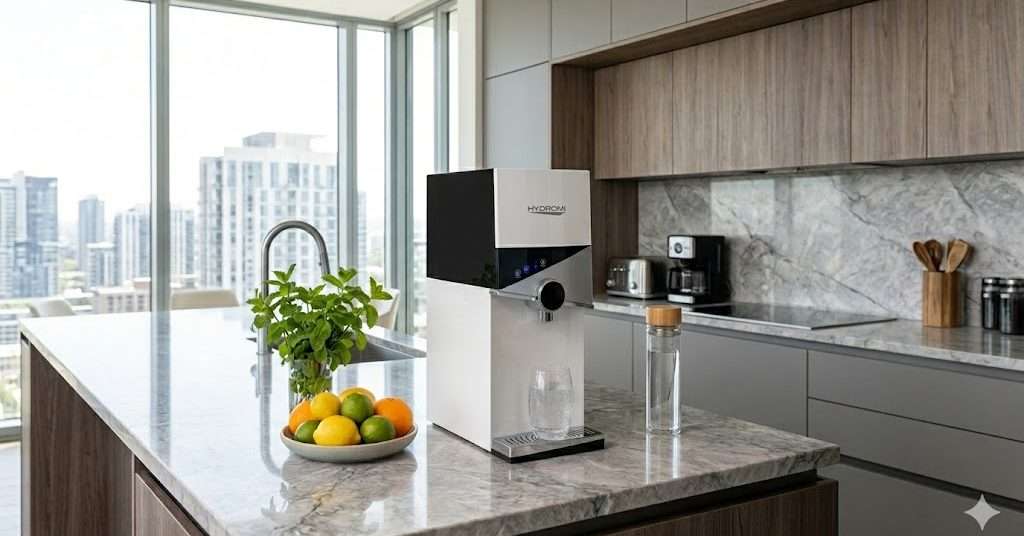
For readers exploring hydrogen water as part of a hydration routine, a system such as Hydromi can be worth considering because it combines water purification with hydrogen-related functionality in a format designed for daily use. This type of option may suit families and individuals who want filtration to be part of a broader hydration lifestyle rather than a simple taste upgrade.
How to compare water filtration systems properly
The easiest mistake is to compare systems based on marketing terms alone. A better approach is to look at the practical details that affect daily life.
First, consider what you want the system to address. If your tap water already looks clear but tastes slightly chemical, your priorities may be different from someone dealing with visible sediment. Second, think about how much water your household actually drinks. A family with school-age children, regular home cooking, and frequent use of hot drinks will need different capacity from a single adult.
Maintenance is another major factor. Filter replacement intervals, ease of cleaning, and access to replacement parts all matter. A system only works well when it is maintained on time. Many buyers focus on purchase price and forget to ask what the next 12 months of ownership will look like.
Then there is usability. Does the system fit your kitchen layout? Is it easy for older family members to use? Will it slow down meal preparation or make the routine easier? These questions sound small, but they often decide whether a product becomes part of everyday life.
Features that matter more than flashy claims
Good product education starts with clarity. The most useful features are often the least dramatic.
Multi-stage filtration is helpful because different filter materials target different concerns. Flow rate matters if you do not want to wait around filling bottles and kettles. Storage capacity matters if several people use the system throughout the day. Build quality matters because water appliances are long-term household products, not impulse purchases.
For some consumers, smart indicators for filter replacement are also valuable. They remove guesswork and help maintain consistent performance. If you are considering a hydrogen water system, it is sensible to look at how the hydrogen function fits into regular use, whether the system is straightforward to maintain, and what kind of water experience it is designed to provide rather than expecting unrealistic overnight changes.
Choosing for your household, not someone else’s
The best home water filtration systems should fit the people using them. For a smaller home, a compact unit may be perfectly sufficient. For a family household, convenience and volume usually matter more. For people who value structured wellness routines, a more advanced filtration and hydration system may feel like a better fit.
Budget should be viewed in two parts: upfront cost and ongoing cost. A cheaper unit with frequent filter changes may not stay cheaper for long. At the same time, a premium system only makes sense if you will use its features consistently.
This is where expectations should stay realistic. Filtered water can improve taste, convenience, and confidence in your daily hydration routine. It can make home life easier. What it should not do is promise everything to everyone.
Maintenance is part of the product experience
Any filtration system is only as good as its upkeep. Skipping filter changes, ignoring cleaning instructions, or letting components wear out will affect performance.
A sensible maintenance routine is usually simple. Follow the recommended replacement schedule, clean the unit as advised, and pay attention to any changes in water flow or taste. If a system feels hard to maintain from the start, that is worth considering before you buy.
For busy households, the best option is often the one that balances performance with easy upkeep. A reliable routine is more valuable than a complicated one.
A practical way to decide
If you are still narrowing down your options, start with three questions. What is bothering you about your current water? How much filtered water does your household use each day? And how much maintenance are you genuinely willing to manage?
Those answers will quickly point you towards the right category. If you want basic improvement with minimal commitment, smaller point-of-use options can work well. If you want a more premium daily hydration setup with advanced purification features, a system designed around regular home use may be the better long-term choice.
You can explore suitable options at https://www.elken.com, especially if you are interested in water purification and hydrogen-focused hydration products designed for everyday routines.
The best choice is usually the one that makes good water easier to enjoy every day, from the first glass in the morning to the last refill before bed.