

That first sip or tablet is usually where the question becomes very real – what does spirulina taste like, and is it something you can actually live with every day? If you are considering spirulina as part of a steady wellness routine, the honest answer matters more than polished marketing language.
Spirulina has a taste that most people describe as earthy, slightly marine, and distinctly green. Some notice a seaweed-like note, while others compare it to wheatgrass, spinach, or pond-like algae. It is not sweet, creamy, or neutral. If you are expecting a fruity supplement experience, spirulina can come as a surprise.
That said, taste is rarely just one thing. The flavour depends on the form you take, the quality of the product, what you mix it with, and how sensitive you are to strong savoury or vegetal notes. For some people, it is mildly grassy and easy to tolerate. For others, it is intensely algae-like and takes a little getting used to.
What does spirulina taste like in real terms?
The simplest description is this: spirulina tastes green, earthy, and slightly briny. It has a natural savoury quality rather than a fresh salad flavour. If you have ever tasted nori, chlorella, barley grass, or a very concentrated green juice, you already have a rough idea.
The marine note is often what stands out most. Not fishy, exactly, but ocean-adjacent. Some people pick up a mineral edge, while others notice a faint bitterness at the end. When spirulina is in powder form, that flavour tends to be more obvious because it spreads across the mouth and lingers longer.
Tablets are different. You may still catch a mild algae taste, especially if they begin dissolving before you swallow them, but many people find tablets much easier because the flavour is brief. For anyone focused on consistency rather than culinary enjoyment, that can make a practical difference.
Why spirulina can taste stronger to some people
Taste perception is personal, and spirulina is one of those ingredients that proves it. If you are sensitive to earthy foods like beetroot, matcha, or dark leafy greens, you may notice spirulina more quickly. If you regularly drink green juices or eat seaweed, it may seem less unusual.
Product quality also plays a part. Well-made spirulina should still taste like spirulina, but it may come across cleaner and less harsh. Poor handling, ageing, or storage in humid conditions can make the flavour seem stale, muddy, or more pungent than it should be.
There is also the question of concentration. A small amount blended into a smoothie may be barely noticeable. A full spoonful in plain water is much more direct. The same ingredient can feel manageable in one routine and overwhelming in another.
Powder, tablets, and drinks: which form tastes best?
If taste is your main concern, format matters almost as much as the ingredient itself.
Spirulina powder
Powder gives you the fullest flavour. It mixes into drinks, yoghurt, and recipes, but it is also the form most likely to taste strong. If you stir it into plain water, expect the earthy and marine notes to come through clearly. Some people enjoy the flexibility of powder because they can start with a very small amount and build gradually.
Spirulina tablets
Tablets are usually the easiest choice for people who do not want to taste much at all. You swallow them quickly with water, and the flavour exposure is limited. For busy routines at home, at work, or while travelling, tablets often feel simpler and more consistent.
Spirulina in smoothies or mixed drinks
This is where spirulina becomes more approachable. A smoothie with banana, pineapple, mango, or orange can soften the earthy edge. Creamier ingredients such as yoghurt or oat milk can also round out the flavour. You will still know spirulina is there, especially at higher amounts, but the experience is generally gentler.
What does spirulina taste like when mixed with food?
When added to food, spirulina usually behaves more like a strong seasoning than a background ingredient. A little can blend in. Too much can take over.
In smoothies, it often tastes greener than it does in solid foods. In yoghurt, the tanginess can help balance the algae note. In recipes like energy balls or overnight oats, other flavours may mask it reasonably well, though the colour will still be obvious.
Not every pairing works. Plain water is the hardest route for most people because there is nothing to soften the flavour. Delicate foods can also be overwhelmed easily. If you are trying spirulina for the first time, it is worth starting with combinations that already have natural sweetness or acidity.
How to make spirulina taste better
If you want the benefits of a daily spirulina routine but are unsure about the flavour, a few practical adjustments can help.
Start small. A half serving is often easier to accept than a full scoop, especially in powder form. This lets your palate adjust without turning the experience into a test of endurance.
Use stronger companion flavours. Citrus fruits, pineapple, mango, ginger, mint, and yoghurt can all help. These ingredients do not erase the taste completely, but they can shift it from dominant to manageable.
Keep it cold. Chilled drinks generally taste cleaner and fresher, while room-temperature mixtures can make spirulina seem more intense. If you are blending it, adding ice can improve the overall experience.
Choose convenience if that suits your routine. Many people who do not enjoy the taste simply prefer tablets. There is no prize for struggling through a drink you dislike if another format helps you stay consistent.
Is spirulina supposed to taste bad?
Not necessarily. Spirulina has a naturally strong flavour, but strong is not the same as bad. It depends on your expectations and food preferences.
For someone who enjoys green juices, seaweed snacks, or savoury plant flavours, spirulina may taste perfectly acceptable. For someone used to sweet shakes and flavoured supplements, it can seem abrupt. Neither reaction is wrong.
A useful way to think about it is this: spirulina is not designed to taste like a treat. It is more like an ingredient with a distinct identity. Once you expect an earthy, ocean-like flavour rather than a dessert-like one, it often becomes easier to fit into a realistic routine.
Does better spirulina taste different?
Yes, though not in the way some people hope. Higher-quality spirulina still tastes green and algae-like, but it may seem cleaner, fresher, and less muddy. The flavour should be distinctive without feeling unpleasantly stale or overly harsh.
Texture matters too. Powder that blends smoothly is usually easier to take than powder that clumps and leaves a gritty finish. In tablet form, a clean finish and easy swallow can make the whole experience more pleasant.
This is one reason product choice matters for long-term use. If you plan to take spirulina regularly, a format that suits your taste tolerance and schedule is often more useful than chasing an idealised flavour that spirulina simply does not have.
Should taste affect your choice?
It should, because routine matters. Even a well-regarded supplement is unlikely to become part of daily life if you dread taking it. Taste is not a trivial concern – it is part of whether a product fits comfortably into your day.
If you are choosing spirulina for nutritional support, the best option is usually the one you can take consistently without fuss. For some households, that means tablets after breakfast. For others, it means blending powder into a morning smoothie with familiar ingredients.
This is where simple product education helps. Rather than asking whether spirulina tastes nice in a broad sense, ask a more useful question: which format gives me the least friction in my actual routine? That answer is often more valuable than any flavour description.
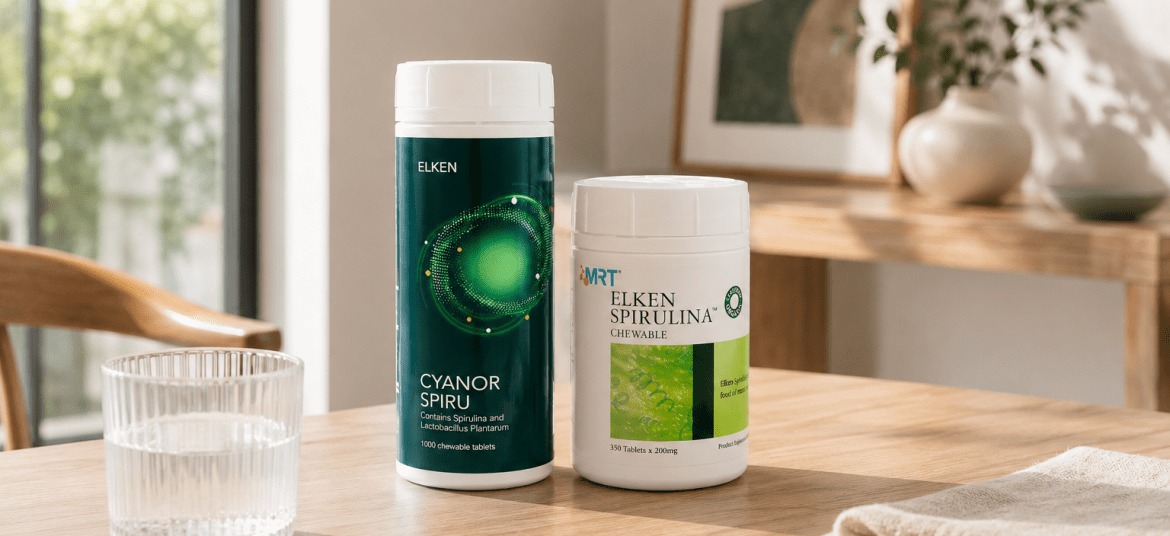
For readers exploring daily nutrition support, products such as Elken Spirulina are often considered with this same practical mindset – not as a dramatic fix, but as part of a steady, manageable wellness habit.
So, what should you expect the first time?
Expect a flavour that is earthy, green, and a little sea-like. Expect it to be more noticeable in powder than in tablets. And expect that your reaction may change once you try it in the right format and with the right pairing.
You do not need to force yourself to love the taste to make spirulina work in your routine. You only need a version that feels realistic enough to take regularly. Start simple, keep expectations honest, and let convenience guide your choice as much as flavour.