

If your drinking water tastes slightly metallic one week, flat the next, and heavily chlorinated after a rainy spell, you are not imagining it. For many households, learning how to improve drinking water starts with something simple – noticing that water quality is not only about safety, but also about taste, smell, clarity, and how confidently your family drinks it every day.
That matters more than people sometimes realise. When water tastes better and feels pleasant to drink, most people naturally drink it more consistently. For adults balancing work and home routines, and for families encouraging children to choose water over sweet drinks, improving water quality can support a healthier daily pattern without making life complicated.
What does it mean to improve drinking water?
When people ask how to improve drinking water, they often mean one of three things. They want water that tastes cleaner, water that feels more suitable for regular drinking, or water that fits a more thoughtful wellness routine at home.
These goals overlap, but they are not exactly the same. A glass of water may be technically drinkable and still have an odour or aftertaste that puts people off. In other homes, the focus is convenience – having better water available throughout the day without repeatedly boiling, cooling, and refilling containers. For others, the interest goes further into water purification technology and options such as hydrogen water as part of a broader hydration routine.
The right approach depends on your starting point. A small household in a city flat may prioritise convenience and compact design. A larger family may care more about daily volume, maintenance, and long-term running ease. Improving drinking water is less about chasing perfection and more about choosing a method you will actually use consistently.
Start with the basics before changing equipment
Before buying any system, it helps to look at what is happening in your current routine. If water tastes unpleasant only after sitting out for hours, storage may be the issue rather than the source. If it smells different at certain times of the month, seasonal or local treatment changes may be affecting taste. If family members avoid plain water altogether, the real problem may be accessibility rather than quality alone.
Clean storage makes a noticeable difference. Reusable bottles, jugs, and dispensers need regular washing because even good water can taste stale in poorly maintained containers. Sunlight and heat can also affect taste, so storing drinking water in a cool place is a simple but useful habit, especially in warm weather.
Temperature matters too. Many people drink more water when it is cool but not icy. Very cold water can feel refreshing, but some prefer room temperature for easier sipping through the day. The best choice is the one that helps you drink enough comfortably.
Filtration is often the biggest step in how to improve drinking water
For most homes, filtration is the most practical answer to how to improve drinking water. A good filtration system can help reduce unwanted taste and odour while supporting a cleaner, more pleasant drinking experience.
Different filtration methods do different jobs. Some are mainly designed to reduce sediment and visible particles. Others focus more on chlorine-related taste and smell. More advanced purification systems may combine several stages to address multiple water quality concerns while improving overall consistency.
This is where trade-offs matter. A basic jug filter may be affordable and easy to start with, but it needs regular cartridge changes and may not suit larger households with high daily water use. A countertop or installed purification unit may offer more convenience and volume, but it requires more planning, space, and maintenance discipline.
The best system is not always the most complex one. It is the one that matches your household size, your water habits, and your willingness to maintain it properly. Even a strong filtration system will not perform as expected if filters are not changed on time.
How to choose a water system for daily use
A useful way to assess a system is to think about your real routine rather than ideal intentions. How many people drink water at home each day? Do you fill bottles before work or school? Do older family members prefer hot water options? Will someone actually keep up with cleaning and filter replacement?
Convenience should not be underestimated. If better water is easy to access, it becomes part of the household rhythm. If the process is slow or fiddly, people often drift back to less consistent habits.
For families interested in both purification and a more premium hydration experience, some modern systems also include hydrogen water features. This can appeal to consumers who want water support that feels integrated into a broader wellness lifestyle, provided expectations stay realistic and routine focused.
How to improve drinking water taste without overcomplicating it
Taste is one of the biggest reasons people stop drinking enough water. The good news is that taste can often be improved without drastic changes.
Freshness is the first factor. Water that has been sitting uncovered tends to lose appeal quickly. Using clean, covered containers and refreshing stored drinking water regularly can help. If boiled water is part of your routine, avoid leaving it in the kettle for too long before use.
Filtration is usually the next step. If the main issue is chlorine smell or a slightly harsh aftertaste, an appropriate filter may make the biggest difference. If taste changes from day to day, consistency from a purification system may be more helpful than one-off fixes.
Some households add lemon or cucumber for variety, which can encourage better intake, but this is more about preference than improving the water itself. It is best seen as a habit support tool rather than a substitute for addressing water quality.
A closer look at hydrogen water in everyday routines
Interest in hydrogen water has grown because many consumers want hydration options that feel more intentional and wellness led. In simple terms, hydrogen water is water infused with molecular hydrogen. People often choose it as part of a daily routine centred on hydration quality and lifestyle support.
It is worth keeping expectations balanced. Hydrogen water is not a replacement for drinking enough water overall, and it is not a shortcut around basic water quality standards. If the source water and purification process are poor, adding features on top does not solve the core issue.
That is why integrated systems matter. A solution that combines purification with hydrogen water functionality may be more suitable than treating these as separate decisions. For households exploring this category, the focus should be on water quality, ease of use, maintenance clarity, and whether the system fits real daily habits.
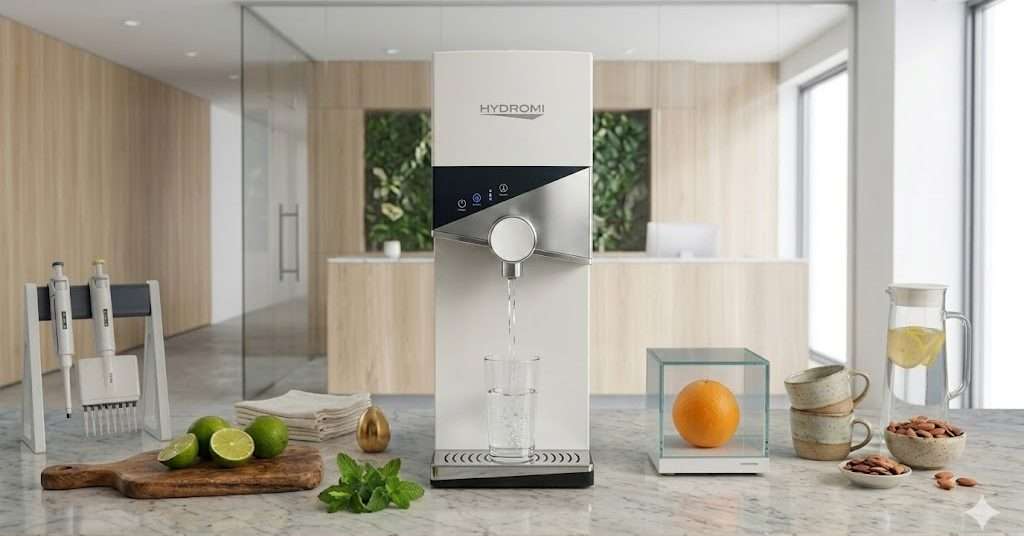
One example within this space is Hydromi, which is positioned around hydrogen wellness and hydration support with an emphasis on water quality education and practical daily use. For consumers who want a more considered home hydration routine, that type of system can feel more aligned than a basic dispenser, especially when consistency and convenience are priorities.
Maintenance is part of water quality
One of the most overlooked parts of how to improve drinking water is maintenance. People often focus on the moment of purchase, then give far less attention to what happens after installation.
Filters have a lifespan. Internal parts need cleaning. Water tanks or dispensing areas can collect residue over time if ignored. A well-designed system is helpful, but maintenance is what protects performance day after day.
This is especially important in busy households where everyone assumes someone else is keeping track. Setting a simple reminder for filter changes and routine cleaning can prevent a gradual drop in taste and user confidence. Good water habits are easier to keep when the system continues to feel reliable.
Small habit changes that make a real difference
Even with a good system, habits shape results. Keep drinking water visible and easy to reach. Refill bottles before leaving the house. Offer plain water first at meals. If children prefer colder water, keep a chilled jug ready. If older adults drink more comfortably with warm water, make that option convenient too.
These details sound minor, but they influence whether improved water quality becomes a one-week effort or a lasting household habit. Better hydration is usually built through access and routine, not willpower.
If you are deciding where to start, begin with the problem you notice most. If it is taste, focus on filtration and storage. If it is inconsistency, look at a more reliable purification setup. If it is motivation, make water easier and more pleasant to drink. The best answer to how to improve drinking water is often the one your family will keep using long after the novelty wears off.
Better water does not need to feel technical or overwhelming. It should fit naturally into the way your home already lives – one cleaner, more enjoyable glass at a time.