

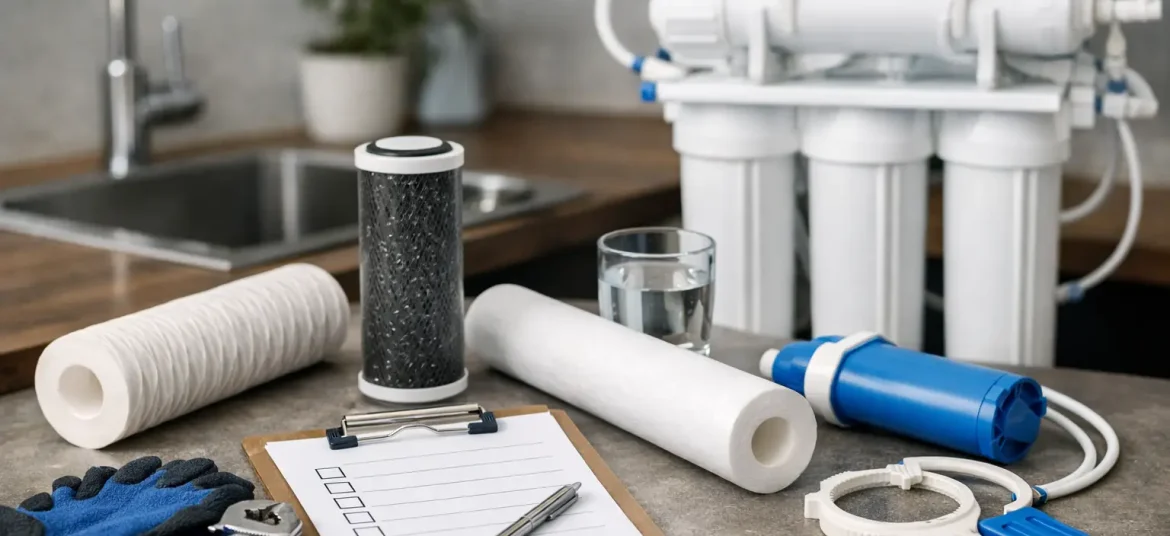
A water filter rarely fails all at once. More often, the signs are small – a slower flow when filling the kettle, a slight change in taste, or a unit that sounds different from usual. That is why a practical water filter maintenance checklist matters. It helps you protect water quality, keep performance consistent, and avoid the common habit of waiting until something feels obviously wrong.
For many households, filtered water is part of the daily routine, from morning drinks to cooking rice and preparing bottles or packed lunches. When a filtration system is used every day, maintenance is not an extra task. It is part of owning the product properly. The good news is that most upkeep is simple once you know what to look for and how often to check it.
Why a water filter maintenance checklist makes a difference
Water filters work by reducing specific impurities over time, but every filter has a working lifespan. As cartridges collect sediment and other unwanted particles, flow can slow and performance can gradually decline. If the system is not cleaned and replaced on schedule, the user experience often worsens before people realise what is happening.
A checklist gives structure. Instead of guessing whether a filter still looks fine, you can follow a routine based on usage, manufacturer guidance, and the conditions in your household water supply. This matters because not every home uses water in the same way. A family of five who cooks daily and fills several bottles each morning will put more demand on a unit than a single person who is often out.
There is also a hygiene aspect. The filter cartridge is only one part of the system. Storage tanks, taps, housing components and external surfaces all need occasional attention. A well-maintained unit supports cleaner handling from source to glass.
Your core water filter maintenance checklist
Start with the filter replacement schedule. This is the single most important item on any water filter maintenance checklist. Follow the recommended replacement interval for your model, but treat that timing as a guide rather than a guarantee. If your water source has higher sediment levels, or your household uses more water than average, you may need to replace cartridges sooner.
Next, monitor flow rate and taste. If water starts coming out more slowly, tastes flatter, or smells slightly different, the filter may be nearing the end of its service life. These changes do not always mean something is wrong with the system itself, but they do suggest it is time to inspect it rather than postpone the task.
Clean the parts you touch regularly. The dispensing area, tap, lid, water reservoir and outer casing can collect dust, moisture marks and everyday residue. Wipe these down gently with a clean cloth and, where suitable, wash removable non-electrical parts according to the product instructions. This simple habit helps maintain both appearance and cleanliness.
Check for leaks and loose fittings. Even a small drip around the housing or connection point deserves attention. Sometimes it is a seal that needs to be repositioned. Sometimes a part has not been tightened correctly after a cartridge change. Small leaks are easier to fix early than after they affect the surrounding surface or cabinet.
Flush new filters properly. Many systems require an initial flush after installing a replacement cartridge. This step clears out fine carbon dust or trapped air and helps the filter settle into normal operation. Skipping it can lead to cloudy water or an odd first taste that may worry users unnecessarily.
Keep a simple record. A note on your phone, a label on the unit, or a date in the family calendar is often enough. The challenge with filter maintenance is not complexity. It is forgetting when the last change happened.
Daily and weekly checks that prevent bigger issues
Most people do not need to inspect their system in detail every day. What helps more is building quick visual checks into normal kitchen use. When you fill a bottle or jug, notice whether the water looks clear and whether the flow feels normal. If the unit has indicator lights or a display, make sure they are showing the expected status.
Once a week, give the exterior a proper wipe and look at the dispensing point closely. In warm, humid conditions, especially in busy kitchens, moisture can attract grime faster than expected. A few minutes of attention each week can keep the unit looking well cared for and easier to use.
If your system includes a storage tank or container, avoid topping up endlessly without cleaning. Old water should not sit for too long. Fresh refill habits and regular cleaning support a better overall experience.
Monthly maintenance for steady performance
A monthly check is where many households benefit most. This is the right time to review the cartridge timeline, inspect seals, and clean removable parts more thoroughly. If your unit uses pre-filters and main filters, make sure you understand which part has which replacement interval. Not all cartridges need changing at the same time.
It is also worth considering your household pattern that month. Festive periods, school holidays, house guests, or hotter weather can all increase water consumption. In these periods, filter wear may be slightly faster. That does not mean replacing parts too early without reason, but it does mean paying closer attention to performance.
If you use a hydrogen water or advanced water purification unit, maintenance may include additional steps such as checking specific functions, keeping designated components dry where needed, or avoiding unsuitable cleaning products. In this area, following the product manual is especially important because different technologies are built to work in different ways.
Common mistakes people make
The most common mistake is waiting for an obvious problem. Because filter performance changes gradually, people adjust without noticing. A slower pour becomes normal. A replacement gets delayed by another week, then another month. The system still works, but not necessarily at its best.
Another mistake is replacing the cartridge but ignoring the rest of the unit. A new filter installed in a poorly cleaned housing does not solve every issue. Good maintenance is always a combination of replacement, cleaning and inspection.
Some households also use the wrong assumptions when judging timing. A filter is not maintained properly just because the water still looks clear. Many things that affect filtration performance are not visible to the eye. That is why schedule and product guidance matter more than appearance alone.
Finally, avoid harsh cleaning methods. Abrasive pads, strong chemical cleaners or unsuitable soaps may damage surfaces, seals or sensitive components. Gentle cleaning is usually the right approach.
When to replace sooner rather than later
There are times when it makes sense not to stretch the cartridge to the maximum suggested period. If your water has visible sediment after supply interruptions, if renovation work has affected the plumbing, or if your area experiences occasional water quality fluctuations, extra caution is sensible. In these situations, performance may decline faster than usual.
High-usage households should take the same practical view. If multiple family members are filling bottles, using filtered water for cooking, and depending on the system from morning to night, a shorter replacement cycle may help keep results more consistent.
This is where product education really helps. Good systems are designed to make daily use easy, but no filter is maintenance free. Choosing a unit with clear replacement guidance and straightforward care instructions usually leads to better long-term satisfaction.
How to keep the routine realistic
The best checklist is one your household will actually follow. Keep it simple. Choose one person to track replacement dates, store spare cartridges somewhere clean and easy to reach, and pair maintenance with another regular home task, such as a monthly kitchen reset.
If different family members use the unit, make sure everyone knows the basics. They do not need technical knowledge. They just need to recognise signs such as slower flow, an overdue filter date or a flashing indicator.
For homes using a premium hydration system, including solutions designed for daily hydrogen or purified water routines, maintenance should feel like part of caring for the appliance, not a burden. A few consistent habits protect performance far better than occasional deep cleaning after months of neglect.
A practical standard for everyday home use
A reliable water routine starts long before you pour the first glass. It starts with paying attention to the condition of the system that supports it. If your checklist covers replacement timing, cleaning, flushing, leak checks and simple observation, you are already doing most of what matters.
Good maintenance is not about perfection. It is about consistency. When you give your water filter regular care, it is easier to enjoy clean-tasting water as part of everyday family life, with fewer surprises and more confidence in the routine.