

A missed breakfast, a late lunch, and another kopi in the afternoon – many adults know how quickly daily routines can slip. That is why a practical guide to spirulina for adults matters. When meals are rushed and schedules are full, simple nutrition habits often work better than ambitious plans that are hard to maintain.
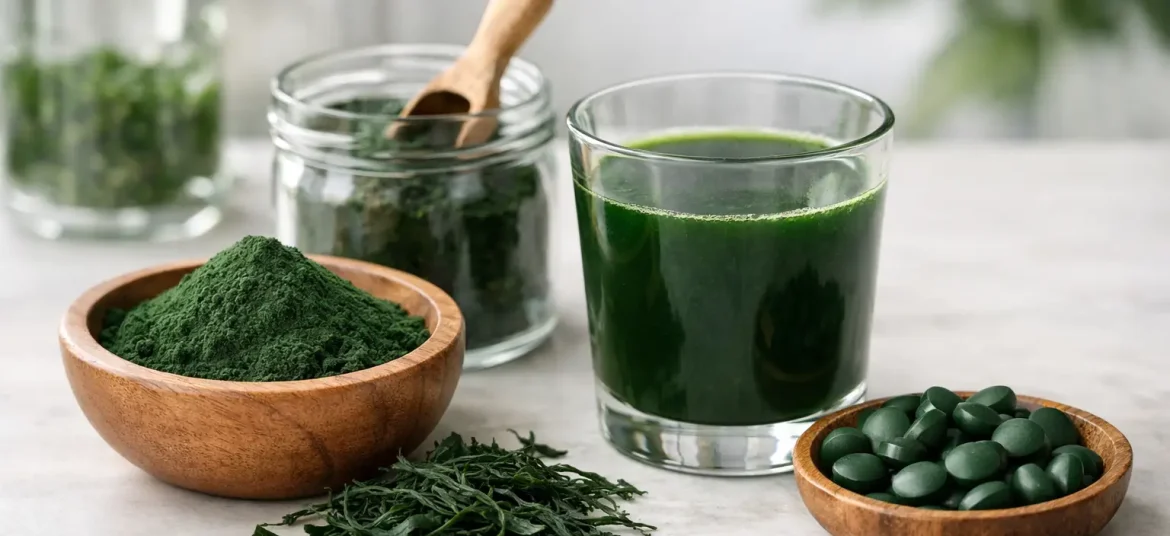
Spirulina is a blue-green microalgae valued for its naturally dense nutrient profile. It is commonly used as a daily nutrition supplement by adults who want steady support for general wellbeing, energy and vitality, and a more consistent routine. Rather than seeing it as a shortcut, it helps to think of spirulina as one part of a balanced lifestyle that also includes sensible meals, enough water, regular movement, and proper rest.
What adults should know about spirulina
Spirulina has been studied for its nutritional composition and is widely recognised for containing protein, chlorophyll, carotenoids, and a range of vitamins and minerals. That sounds impressive, but the real question for most people is simpler: what does it mean for daily life?
For many adults, the appeal is convenience. A supplement that is easy to take can fit around commuting, office hours, school runs, or irregular meal times. Some people use spirulina because they want extra support when their diet is not as varied as it should be. Others choose it as part of a longer-term wellness routine, especially when they prefer small, repeatable habits over dramatic changes.
It is worth being realistic here. Spirulina is not a replacement for proper meals, and it is not meant to compensate for consistently poor habits. What it can do is support adults who want to be more intentional about everyday nutrition.
A guide to spirulina for adults who want a realistic routine
The best time to take spirulina depends less on theory and more on consistency. Some adults prefer it in the morning because it feels easier to remember alongside breakfast. Others take it after lunch or with an evening meal because that is when they already have an established supplement routine.
Taking spirulina with food usually suits most people, especially if they are trying it for the first time. This can feel gentler as part of the day and makes it easier to build a regular habit. If your routine changes often, attaching it to a fixed event – such as breakfast at home or dinner after work – is usually more reliable than choosing a specific clock time.
Hydration also matters. If you are adding a supplement to your routine, it makes sense to pay attention to your overall water intake as well. Adults who are trying to improve everyday wellness often benefit from looking at the bigger picture: balanced meals, cleaner hydration habits, and nutritional support that is simple enough to continue.
Who spirulina may suit
Spirulina can suit a wide range of adults, but not everyone takes supplements for the same reason. Office workers may appreciate a convenient option that supports a busy weekday schedule. Parents may prefer something straightforward that fits around family meals. Adults who are mindful about their diet may include spirulina as part of a broader effort to stay consistent with their nutrition goals.
It may also appeal to people who do not want an overly complicated supplement shelf. If your preference is to keep daily habits simple, spirulina often stands out because it is familiar, easy to incorporate, and linked to everyday wellbeing rather than niche performance goals.
That said, suitability still depends on the individual. Adults who are pregnant, breastfeeding, managing a medical condition, or taking regular medication should check with a healthcare professional before starting any new supplement. The same applies if you have known sensitivities to algae-based products. Being careful is not a sign that a product is unsuitable – it is simply the sensible way to make a confident choice.
What to expect from consistent use
One of the most common misunderstandings around supplements is the expectation of instant results. In reality, many adults notice the value of a supplement not from one serving, but from how easily it fits into a steady routine over time.
With spirulina, expectations should stay grounded. You are not looking for a dramatic overnight shift. Instead, the goal is daily nutrition support that complements your existing habits. Some adults feel that they are taking better care of themselves because they have finally built a routine they can stick to. That sense of consistency matters.
This is also where quality becomes important. When choosing spirulina, look beyond marketing language and pay attention to product credibility, formulation standards, and whether the product is designed for regular use. A premium supplement should feel dependable, not confusing.
How to choose a spirulina product
Not all supplement decisions need to be complicated, but they should be informed. A good starting point is form. Some adults prefer tablets because they are convenient, portable, and easy to portion. Powders can work too, but they are not always practical for busy households or for people who travel between home and office.
Next, consider whether the product fits your lifestyle. If you know you will not measure powders every morning, a tablet format may be the better choice. If you already have a structured breakfast routine at home, either format may work. The right option is usually the one you will genuinely use.
It also helps to choose brands that focus on product education and consistent quality standards. Clear usage guidance, straightforward ingredient information, and a routine-led approach are all good signs. In this category, trust is built through clarity.
Guide to spirulina for adults with busy Malaysian routines
In many Malaysian households, the day starts early and ends late. Breakfast may be quick, lunch may happen between meetings, and dinner may be the only proper meal shared at home. That pattern is exactly why many adults look for simple ways to support daily nutrition without overcomplicating family life.
Spirulina can fit well into this kind of routine because it does not require a major lifestyle reset. It can sit alongside practical habits such as preparing breakfast the night before, carrying water through the day, or setting a reminder to take supplements after a meal. Small adjustments are often easier to maintain than a complete wellness overhaul.
For shift workers, frequent travellers, or adults juggling work and caregiving, flexibility matters. If one day is less structured than the next, what matters most is not perfect timing but regular use. A missed serving now and then is not the end of the routine. The more useful mindset is to return to consistency rather than abandoning the habit altogether.
Common questions adults ask before starting
A frequent question is whether spirulina should be taken every day. For most adults using it as daily nutrition support, consistency tends to make more sense than occasional use. A supplement is easier to evaluate when it is part of a regular routine rather than something taken at random.
Another common question is whether spirulina can replace vegetables or other healthy foods. It cannot. Whole foods still matter for fibre, variety, enjoyment, and overall dietary balance. Spirulina is better understood as support, not substitution.
People also ask whether more is always better. Usually, it is not. Following the product’s usage guidance is the sensible approach. Taking more than recommended does not automatically improve the experience, and simple routines are often the most sustainable.
Building a routine that lasts
If you are new to spirulina, start with a straightforward plan. Keep the product somewhere visible, pair it with a meal you rarely skip, and give the habit time to settle. Adults often do better with routines that ask very little extra of them.
It can also help to combine your supplement habit with another daily wellness cue. For example, if you are already paying more attention to hydration quality at home, pairing spirulina with your morning glass of water may make the routine easier to remember. This kind of practical habit-stacking is often more useful than chasing perfect timing.
For adults who want nutrition support without unnecessary complexity, spirulina remains a simple option with everyday relevance. The best routine is rarely the most ambitious one – it is the one that still makes sense on an ordinary Wednesday.