

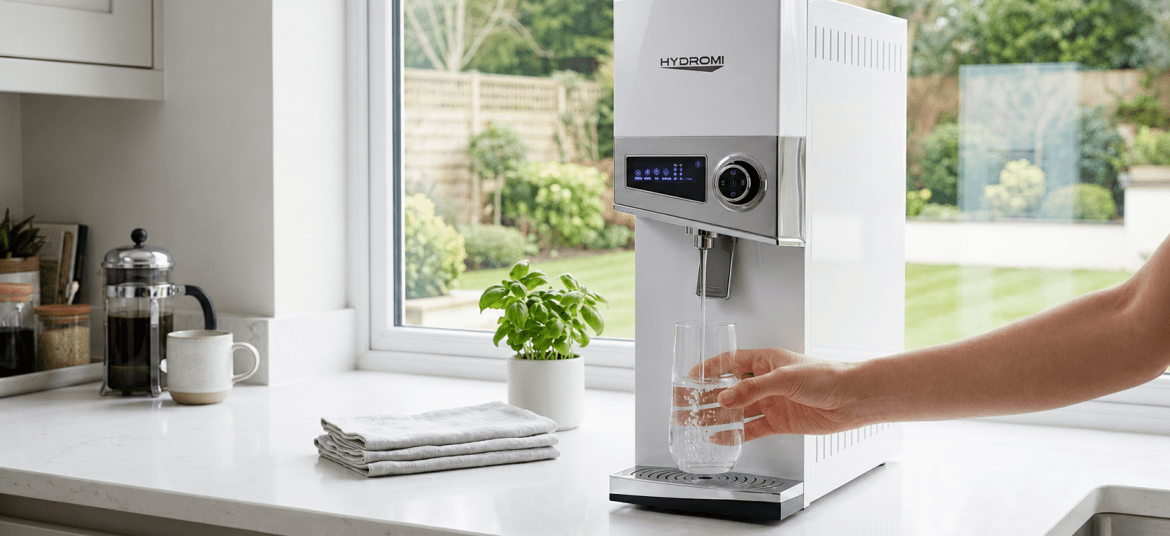
That slightly stale taste in your drinking water, or a drip tray that never seems fully clean, is usually a sign it is time for proper maintenance. If you are wondering how to clean water dispenser units at home, the good news is that the process is straightforward when you follow a safe routine and pay attention to the parts that are touched or exposed most often.
A water dispenser is part of daily life in many households, from quick glasses of water before school to filling bottles before work. Because it is used so often, it can collect dust, fingerprints, mineral residue and, in some cases, build-up inside the water path if cleaning is delayed for too long. Regular care helps keep the appliance looking presentable, supports better hygiene, and helps your household enjoy water as it should taste.
Why cleaning matters more than most people think
Most people wipe the outside of a dispenser but forget the areas that affect day to day use most directly. The nozzles, drip tray, bottle contact points and internal tank area can all collect residue over time. In warm, humid conditions, this becomes even more relevant, especially in busy kitchens or pantry spaces.
Cleaning is not about making the dispenser look spotless for a day. It is about supporting water quality, keeping odours away, and helping the unit perform consistently. If your dispenser is part of a broader hydration routine, especially in a family home, a simple cleaning schedule can make everyday use feel more reliable.
How often should you clean a water dispenser?
It depends on the type of dispenser and how heavily it is used. For many homes, a light clean once a week and a deeper clean every four to six weeks is a sensible starting point. If the dispenser is in a shared office corner, used by a larger family, or placed in a spot where cooking grease and dust can settle, more frequent cleaning may be better.
You do not always need a full deep clean each time. The exterior, taps and drip tray benefit from frequent attention, while the reservoir and internal surfaces can be cleaned on a more structured schedule according to the manufacturer instructions.
If you use a filtration or hydrogen water system with dedicated maintenance guidance, always follow that first. Some appliances have materials or features that need more careful handling than a standard bottled dispenser.
What you need before you start
Before you begin, switch off the dispenser and unplug it. If the unit has hot and cold functions, give it enough time to cool down. Safety comes first, especially around hot water mechanisms and electrical components.
Keep the cleaning setup simple. A soft cloth, mild washing-up liquid, clean water, a small brush or unused toothbrush, and a food-safe sanitising solution approved for the appliance are usually enough. Avoid harsh chemicals, heavily scented cleaners, bleach-heavy mixes unless the appliance manual specifically allows them, and abrasive scrubbers that can damage surfaces.
The gentler approach is often the better one. Strong products may seem more effective, but they can leave residue or affect the taste of water if not rinsed thoroughly.
How to clean water dispenser exteriors and touch points
Start with the outside because it is the easiest area to reset quickly. Wipe down the top, sides, front panel and control area with a soft damp cloth and a small amount of mild detergent. Pay extra attention to handles, buttons and dispensing levers, which are touched frequently throughout the day.
If there are smudges or sticky marks, let the damp cloth rest on the area for a few seconds rather than scrubbing hard. This helps lift the residue without scratching the finish. Dry the surfaces with a clean cloth afterwards so the dispenser does not look streaky.
The taps or spouts deserve closer attention. These can pick up splashes, dust and contact from cups or bottles. Use a small brush to clean around the opening gently. If the nozzle caps are removable, wash them separately and rinse well before putting them back.
Cleaning the drip tray and bottle area
The drip tray is often the first place where residue becomes visible. Remove it if possible, empty any standing water, and wash it with warm water and mild washing-up liquid. Rinse thoroughly and let it dry completely before reinstalling.
If your dispenser uses a bottle on top, clean the area where the bottle connects to the unit. This section can be overlooked because it is hidden once the bottle is in place. Wipe the collar, puncture point or receiving area carefully with a clean cloth and approved cleaning solution. Make sure everything is dry and free from lint before fitting a new bottle.
For bottom-load or concealed bottle units, check the compartment for dust, spills or water rings. A quick wipe here helps keep the appliance cleaner overall.
How to clean the inside of a water dispenser
For a deeper clean, remove the water source first. Drain any remaining water according to the appliance instructions. Some dispensers have drainage plugs at the back or base, while others require water to be dispensed until empty.
Once drained, prepare a gentle cleaning solution that is suitable for the appliance. Many people use a diluted food-safe solution recommended by the manufacturer. Pour it into the reservoir if the dispenser design allows for this, and let it sit for the suggested amount of time. This gives the solution time to loosen build-up on internal surfaces.
After that, drain the unit fully and rinse with clean water more than once. This step matters. Even a safe cleaning solution should not be left behind inside the water path. Flush enough clean water through the taps until there is no trace of smell or taste.
If your dispenser has filters, hydrogen functions or specialist internal components, avoid improvising. Those systems may need a more specific maintenance routine, and using the wrong cleaning method can shorten the life of the appliance or affect performance.
Common mistakes to avoid
The biggest mistake is cleaning only when there is a visible problem. By then, odours, taste changes or residue may already be more stubborn. Light routine care is usually easier than occasional heavy scrubbing.
Another common issue is using boiling water or very aggressive cleaning agents. These can damage plastic parts, seals or internal components. There is also the temptation to spray cleaner directly onto the unit. It is safer to apply cleaner to the cloth first, especially near buttons, vents or electrical areas.
Do not forget to rinse properly. If a dispenser smells fresh from a cleaning product afterwards, that is not a sign of success. It usually means more rinsing is needed.
Signs your dispenser needs attention sooner
A regular schedule helps, but there are also day to day clues. If water starts to taste flat, the taps look cloudy, the drip tray develops a film, or there is an unusual smell near the dispensing area, it is worth cleaning the unit earlier than planned.
A dispenser in a family kitchen may need more frequent care during school holidays, festive periods or hot weather when water use goes up. More refills and more handling naturally mean more maintenance.
Keeping the routine realistic
The best cleaning routine is one your household will actually follow. For many people, wiping the taps and tray every weekend and setting a reminder for a deeper clean once a month is practical enough. If you use a more advanced hydration appliance, keeping the maintenance guide nearby can make routine care easier.
For households exploring better hydration habits, including systems designed for purified or hydrogen-rich water, maintenance should be seen as part of the ownership experience rather than an extra chore. Good water routines depend not just on what the appliance is designed to do, but on how consistently it is cared for.
A clean dispenser supports the simple moments that matter – filling a glass first thing in the morning, topping up a bottle before leaving the house, or serving water at the table without second thoughts. A few careful minutes now and then can keep that everyday routine feeling fresh, dependable and easy.