

Some routines look good on paper and fall apart by Wednesday. An effective immune support routine for adults is usually much less dramatic. It is the set of ordinary choices that you can repeat when work is busy, sleep is short, and meals are not always ideal.
For most adults, that means focusing on a few foundations that support everyday wellbeing rather than chasing quick fixes. If you are building a routine for yourself or your household, the most useful approach is to make hydration, food quality, rest, movement and sensible supplementation work together.
What a good immune support routine for adults really looks like
The immune system does not rely on one food, one capsule or one healthy weekend. It responds to patterns. A routine that supports it tends to be steady, realistic and easy to maintain across normal life, including office days, school runs, travel and late dinners.
That is why the best routine is not always the most complicated one. A simple plan followed for months is usually more valuable than an ambitious plan followed for five days. Adults often do better with repeatable habits: drinking enough water, eating regular balanced meals, getting adequate sleep and filling common nutrition gaps where needed.
There is also a practical point here. If you feel constantly tired, dehydrated or irregular with meals, adding more supplements may not solve the main issue. Your baseline habits still matter most.
Start with hydration quality, not just quantity
Many adults know they should drink more water, but fewer think about consistency and water quality. Hydration supports normal daily function in broad ways, from comfort and energy to keeping healthy routines easier to follow. If you are tired or busy, even mild dehydration can affect how you feel during the day.
A useful habit is to spread water intake across the day instead of trying to catch up at night. Start in the morning, keep water visible on your desk or dining table, and drink with meals. In hot weather, during fasting periods, after exercise, or when spending time outdoors, your intake may need to increase.
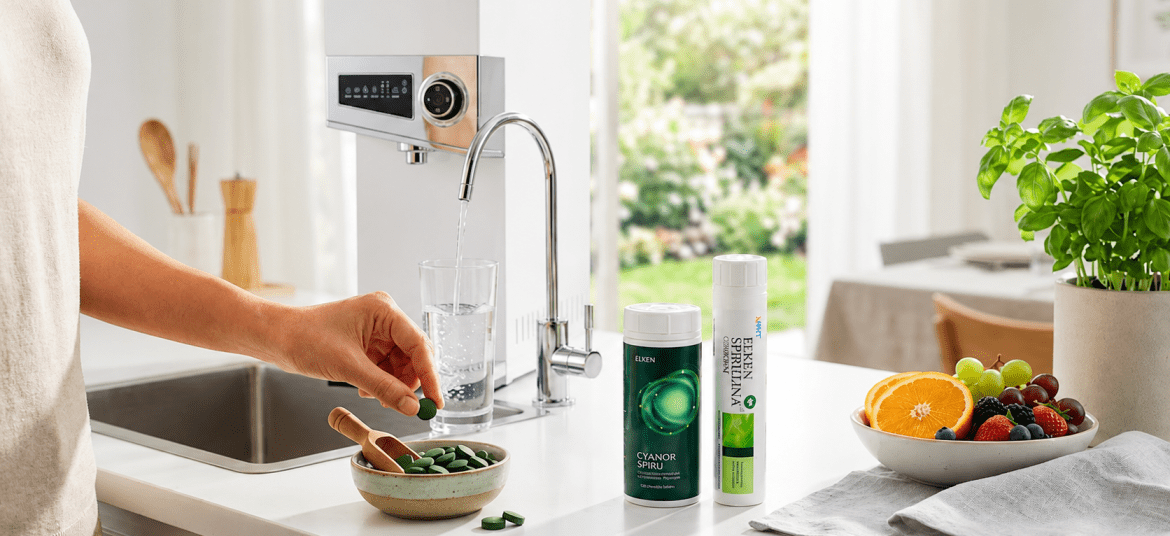
For households that want more confidence in daily hydration, clean and pleasant tasting water can make a real difference to consistency. This is one reason many families pay attention to water purification at home. When water is easy to access and tastes good, people tend to drink it more regularly.
Some adults also prefer to build their routine around hydrogen water as part of a broader hydration habit. In that context, the value is less about a miracle effect and more about making good hydration easier to maintain every day. If you use a hydrogen water or water purification solution, the practical side matters too. Regular cleaning, filter care and proper use are part of the routine, because product performance depends on maintenance as much as features.
Build meals around everyday nutrition support
If your weekdays swing between kopi and biscuits in the morning and a very heavy dinner at night, your routine may feel inconsistent before supplements even enter the picture. Adults generally benefit from regular meals that include protein, fibre, vegetables, fruit and enough overall energy to match their activity.
This does not require perfect eating. It does mean thinking in patterns. A breakfast with protein is often more useful than a sugary start that leaves you hungry by mid-morning. A lunch with vegetables and a balanced portion of rice, noodles or other carbohydrates is usually more sustainable than skipping the meal and overcompensating later.
For Malaysian households, this can still fit familiar foods. Nasi campur, porridge, soups, eggs, tofu, fish, tempeh, leafy greens and fruit can all work well within a balanced routine. The point is not to make every meal strict. The point is to make balanced choices feel normal most of the time.
Where supplements fit into the picture
Supplements can support a routine, but they work best when they complement good habits rather than replace them. Adults often use them for convenience, especially during busy periods or when intake of nutrient-rich foods is inconsistent.
Spirulina is one example of a food-based supplement people choose for daily nutrition support. It can suit adults who want a simple addition to their routine, especially when they prefer something easy to take consistently. The realistic expectation is support for overall daily wellness goals, not an overnight transformation.
How you take it matters. A supplement that is forgotten in the cupboard is not part of your routine. Many adults do better by taking it at the same time each day, such as with breakfast or after lunch, and pairing it with water. If you are already using a daily wellness system at home, keeping your supplement near your water station or breakfast area can make consistency easier.
Sleep is often the missing part of an immune support routine for adults
Adults tend to underestimate how much poor sleep disrupts everything else. When sleep is short or irregular, appetite, mood, focus and daily choices often become harder to manage. You may reach for sweeter foods, skip exercise, drink less water and feel generally run down.
A supportive sleep routine does not need to be complicated. Aim for a regular bedtime on most nights, reduce heavy meals very late in the evening, and keep screens lower in the hour before bed where possible. If your work schedule shifts, consistency may not be perfect, but even a more stable wind-down routine helps.
Air conditioning, late scrolling and caffeine taken too late are common issues in many homes. Small adjustments are often enough to improve sleep quality without turning bedtime into a project.
Movement helps more than extreme exercise plans
You do not need a punishing fitness programme to support general wellbeing. Regular movement is more realistic and, for many adults, more sustainable. A brisk walk after dinner, light strength work a few times a week, stretching in the morning or taking the stairs more often can all contribute to a stronger daily rhythm.
The trade-off is simple. Intense exercise can be useful for some people, but if it leaves you exhausted, dehydrated or inconsistent, it may not support your broader routine very well. Moderate activity that you can repeat week after week is often the better choice.
This matters especially for adults with desk jobs. Long periods of sitting can make the day feel sluggish. Short movement breaks support circulation, posture and energy, and often make healthier eating and hydration easier to maintain.
Reduce friction so the routine actually happens
A strong routine is often less about motivation and more about setup. If water is not filled, if healthy foods are hard to reach, and if supplements are stored out of sight, even good intentions tend to fade.
Try arranging your environment around the habits you want to keep. Keep drinking water ready in the fridge or on the counter. Prepare simple snack options such as fruit, yoghurt or nuts. Store your supplement where you will see it at the right time of day. If your household uses a water system, keep maintenance dates noted so performance stays reliable.
This is where product design can genuinely help. Tools that are easy to use, easy to clean and suited to daily family life usually support better habits than products that feel complicated after the first week.
Know when to adjust your routine
No routine stays identical all year. Travel, fasting months, school holidays, demanding work periods and ageing can all change what feels manageable. The goal is not rigidity. The goal is to keep the core habits in place and adjust the details.
If you are eating out more often, focus on hydration and meal regularity. If stress is high, protect sleep first. If your appetite is inconsistent, simplify breakfast and keep a reliable supplement routine. If you are using hydration products or supplements, review whether they still fit your current schedule and household needs.
Also remember that individual needs vary. Adults with existing health concerns, those who are pregnant, or anyone taking regular medication should seek professional advice before making significant changes to diet or supplement use. A sensible wellness routine should work alongside professional care, not compete with it.
What to expect realistically
A well-built routine usually feels steady before it feels dramatic. You may notice that you are drinking water more regularly, eating more consistently, sleeping a bit better and feeling less dependent on recovery days after a hectic week. Those are meaningful signs that the routine is doing its job.
If you want a daily wellness plan that lasts, think less about chasing standout moments and more about creating dependable support. Clean water, balanced nutrition, consistent sleep, regular movement and practical supplement habits are not glamorous, but they are the habits most adults can build on. The best routine is the one that still makes sense on an ordinary Thursday.