

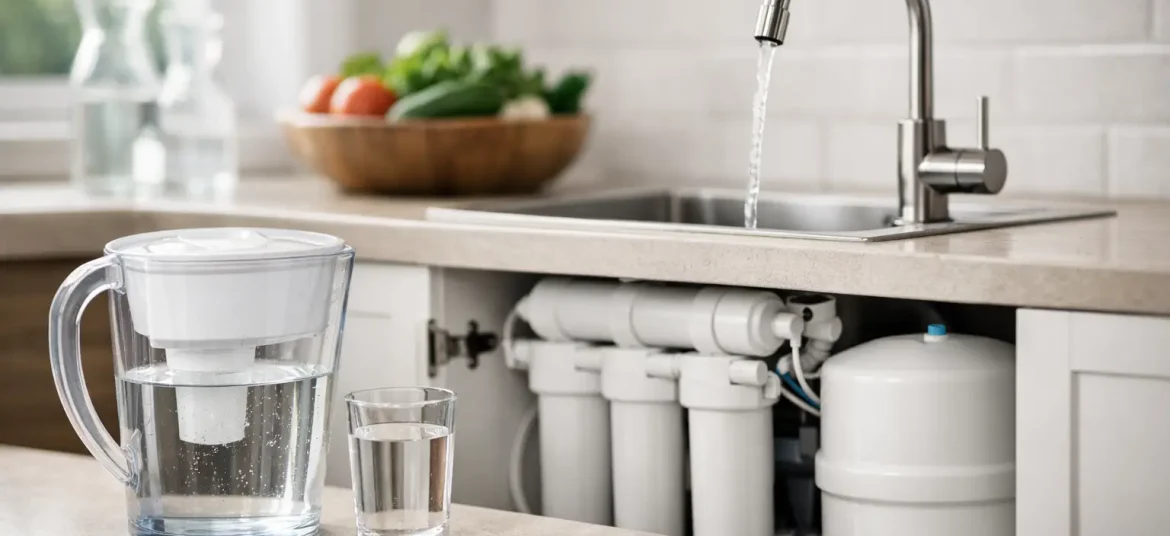
The difference between a water filter that suits your home and one that becomes a hassle usually comes down to one thing – matching it to your daily routine. A good guide to home water filtration should not begin with technical jargon. It should begin with real life: how much water your household drinks, whether you cook often, how much space you have in the kitchen, and how much maintenance you are willing to do.
For many households, water filtration is less about chasing perfection and more about improving everyday confidence in the water used for drinking, making tea, preparing soup, washing produce, and filling a child’s bottle before school. That is why the right choice depends on usage, expectations, and consistency.
Why home water filtration matters in daily life
Tap water may already go through municipal treatment, but what reaches your home can still vary in taste, odour, and overall drinking experience. Pipes, storage conditions, and local water issues can all affect how water feels in daily use. In practical terms, many people start looking for filtration because the water tastes flat, smells slightly chlorinated, or leaves them unsure about using it directly for drinking.
Filtration can help improve the sensory quality of water and support a better hydration routine at home. If water tastes better, people tend to drink it more regularly. For families, that matters. Children, older adults, and busy working adults often need easy access to pleasant-tasting water if good hydration habits are going to stick.
That said, not every home needs the same setup. A small flat with one or two occupants may be perfectly well served by a countertop unit, while a larger family home may benefit more from a system with greater capacity and convenience.
A guide to home water filtration types
When people compare options, the most useful starting point is understanding the main categories. Each one has strengths, limits, and a different fit for daily use.
Jug and gravity filters
These are often the most accessible option. They are simple to use, require no installation, and can help improve taste and odour. They suit smaller households or anyone wanting a low-commitment first step.
The trade-off is capacity and speed. You need to refill them often, and they may not feel convenient if several people are using filtered water throughout the day. They also take up fridge or counter space.
Tap-mounted and countertop filters
These are a step up in convenience. They are generally more suitable for households that want filtered water on demand without major plumbing changes. Countertop systems can be especially practical if you rent your home or prefer a less permanent setup.
Their appeal is ease of access. The main consideration is available space and regular cartridge replacement. If the kitchen is already crowded, this can become an issue.
Under-sink systems
Under-sink filters are popular for households that want filtered drinking water without clutter on the counter. They are neatly installed and usually offer a more integrated experience.
They can be a strong choice for families because they support regular use with less interruption. The trade-off is installation complexity and ongoing maintenance. It is wise to check replacement schedules, servicing needs, and whether your cabinet space can accommodate the unit.
Multi-stage and specialised systems
Some systems combine several filtration stages to improve water quality more comprehensively. Others include added features designed to support taste, convenience, or a preferred drinking experience.
This is where product education matters. More stages do not automatically mean better for every home. What matters is whether the system addresses your priorities without making daily use inconvenient or maintenance overly demanding.
How to choose the right system for your household
The best guide to home water filtration is one that helps you narrow your choice with honest questions rather than broad claims.
Start with household size. If one or two people mainly need filtered water for drinking, a compact system may be enough. If you have children, frequently host family gatherings, or cook most meals at home, larger capacity becomes more important.
Next, think about usage habits. Some households boil filtered water for hot drinks and cooking, while others want direct drinking water throughout the day. If convenience is a priority, a system that delivers water quickly and consistently is usually worth considering.
Space also matters more than many buyers expect. A sleek unit may look appealing online, but if it crowds the sink area or is awkward to refill, it may not suit daily life. Measure first, especially in smaller kitchens.
Then consider maintenance realistically. Every filtration system needs some level of care. If you prefer a low-touch routine, choose a model with straightforward filter changes and clear maintenance reminders. If a system is too complicated to maintain, performance and user satisfaction often drop over time.
Finally, look at the drinking experience you want. Some people are focused primarily on improving taste and odour. Others are interested in technology-led hydration options, including systems designed around both filtration and hydrogen water routines. For readers exploring that category, product education on platforms such as Elken.com can help clarify what each feature is meant to do in everyday use.
What to look for beyond marketing claims
A water filtration system should be easy to understand. If product information feels vague, it becomes difficult to judge whether it truly fits your household.
Look for clarity on filtration stages, replacement intervals, daily output, and intended use. A family buying a drinking-water unit does not need to be impressed by technical language alone. They need to know how the unit fits into breakfast routines, meal prep, school mornings, and evenings when everyone is reaching for water at once.
It is also sensible to ask what ownership looks like after purchase. How often do filters need replacing? Is maintenance simple? Are the instructions clear enough for regular household use? These practical points often matter more than polished packaging.
Maintenance is part of water quality
One of the most common mistakes is treating a filtration system as a one-time purchase rather than an ongoing routine. Filters, cartridges, and internal components need attention if the system is going to keep performing as intended.
A useful habit is to match filter replacement with a routine you already follow, such as the start of a new quarter or a set household reminder on your phone. If your home is especially busy, visible reminders are even better. Maintenance does not need to be complicated, but it does need to be consistent.
Cleaning external surfaces, checking for leaks, and following the manufacturer’s usage guidance also help protect both performance and convenience. If your unit includes multiple functions, learn which parts require regular cleaning and which parts only need periodic servicing.
A note on hydrogen water systems
Interest in hydrogen water has grown because many consumers want more from their daily hydration routine than basic convenience alone. For these households, the decision is not simply whether to filter water, but whether to choose a system that also supports a preferred style of wellness-focused hydration.
This is where expectations should stay grounded. A hydrogen water system is not a replacement for good overall habits such as drinking enough water, eating balanced meals, and maintaining a sensible routine. Its value lies in how it fits into daily use, whether the features are easy to use consistently, and whether the overall drinking experience encourages better hydration habits.
If you are considering a filtration system in this category, focus on practicality. Ask how easily it fits into your morning and evening routine, how maintenance works, and whether the design suits your household’s pace.
Common buying mistakes to avoid
Many people buy based on a single feature and only later realise the full experience is less convenient than expected. A compact design may look attractive, but not if it requires constant refilling. A high-capacity system may sound impressive, but not if it overwhelms a small kitchen.
Another common mistake is underestimating maintenance costs and effort. A more advanced system may offer excellent day-to-day convenience, but only if you are prepared to keep up with filter changes and care instructions.
It is also worth avoiding all-or-nothing thinking. You do not need the most complex system on the market to make a meaningful improvement in everyday water use. The right fit is usually the one your household will actually use properly every day.
Making the choice with confidence
Choosing a water filtration system becomes much easier when you stop asking which option is best in general and start asking which option is best for your home. A couple living in a city flat, a family with school-age children, and a multigenerational household will all have different answers, and that is entirely reasonable.
The strongest choice is usually the one that balances water quality goals with convenience, space, and maintenance. If the system supports better tasting water, fits naturally into your kitchen, and is simple enough to maintain consistently, it is already doing a great deal of useful work in the background of everyday life.
A good home water setup should feel easy to live with. When the right system is in place, drinking more water, preparing meals, and caring for your family’s daily routine can become that little bit simpler.