

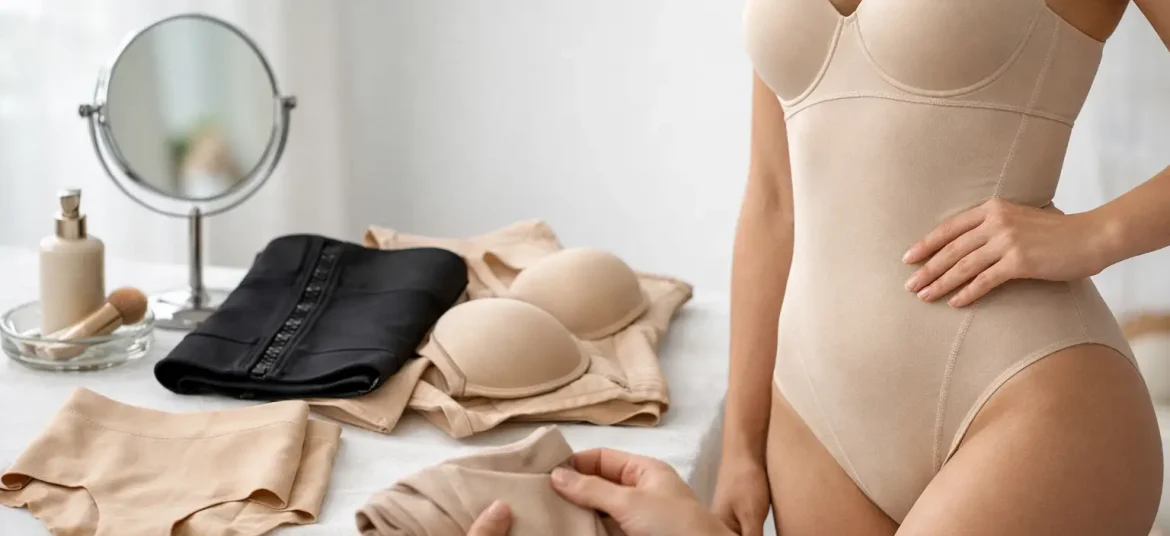
A body shaping garment can look perfect on the hanger and still feel wrong after an hour at your desk, during a family dinner, or on a warm day out. The best choice is rarely the tightest one. It is the one that gives the level of support you want, stays comfortable through real life, and works with the clothes you already wear.
Body shaping garments: how to choose for real life
If you are searching for body shaping garments how to choose, start with the reason you want one. Some people want a smoother line under a baju kurung or fitted dress. Others want light support for daily workwear, or extra confidence for an event. Those are different needs, and they do not all call for the same garment.
It helps to think in terms of purpose rather than promises. A shaping piece can smooth, support and refine the silhouette of an outfit. What it should not do is feel so restrictive that you are constantly adjusting it, holding your breath, or planning your day around taking it off.
Start with the outfit, not the label
A common mistake is buying shapewear first and hoping it works with everything. In practice, your clothing should guide the choice. A high-waisted brief may suit office trousers and pencil skirts. A bodysuit may work better under a dress when you want a cleaner line from bust to hip. Thigh shapers are often useful under softer fabrics that can cling when walking.
Neckline and hemline matter too. If your dress has a low back, a full-coverage piece may show. If your outfit is shorter, longer leg shapewear can become visible when you sit. The right garment should disappear under clothing, both visually and in terms of comfort.
Choose the level of shaping you will actually wear
Not all shaping garments feel the same. Light shaping is usually best for daily use. It offers gentle smoothing and is easier to wear for longer periods, especially in a warm climate. Medium shaping gives more structure and can suit workwear or occasionwear. Firm shaping creates the most control, but it is not always the most practical choice for long events or all-day wear.
There is a trade-off here. The more compression you choose, the more noticeable the garment may feel on the body. That can be fine for a short wedding reception or formal event. For commuting, sitting, eating and moving through a normal day, many people end up preferring moderate support because it feels more natural.
If you are new to shapewear, start lighter than you think. A garment you wear regularly is more useful than one that stays folded in a drawer.
Fit should feel secure, not punishing
Sizing down is one of the fastest ways to get poor results. A too-small garment can dig in at the waist or thighs, create bulges at the edges, roll down when you sit, and feel hotter than necessary. It can also change how your clothes fall, which defeats the point of wearing it.
Follow the brand size chart closely and measure your waist and hips rather than guessing from your usual clothing size. Different cuts and fabrics behave differently. If you are between sizes, the best option depends on the garment and the result you want. For stronger control, some people choose the smaller of the two if the size guide supports it. For daily comfort, the larger option is often the better fit.
When trying one on, walk, sit, bend and lift your arms. If it shifts quickly or starts rolling, the size or style is probably wrong.
Fabric matters more than most people expect
When thinking about body shaping garments how to choose, fabric is one of the most practical factors. In humid weather, breathable materials and good moisture management make a noticeable difference. Smooth, lightweight fabrics usually work better for daily wear than thick, heavily layered panels.
Look for stretch that recovers well after wear. If the fabric loses shape quickly, support tends to fade and the garment may bunch under clothing. Seam placement matters too. Flat seams or bonded edges are often less visible under fitted outfits, while bulky seams can show through lighter fabrics.
Cotton-lined gussets, soft inner panels and a finish that does not feel scratchy can also improve comfort. These details may sound small, but they affect whether a garment feels wearable from morning to evening.
Pick the right style for your target area
No single shaping garment does everything equally well. High-waisted briefs are a common choice for smoothing the lower abdomen and waist under skirts or trousers. Shorts or thigh shapers can help create a smoother line through the hips and thighs while also reducing friction during walking. Bodysuits can give a more continuous shape through the torso, but they may be less convenient depending on your routine.
If your main concern is the waist only, a full-body option may feel unnecessary. If your outfit is clingy from bust to thigh, a more integrated style may work better. The key is matching the garment to the area you want supported instead of choosing the style with the most coverage by default.
This is also where practicality matters. A piece that is difficult to get on and off may be fine for a short function, but less ideal for everyday wear.
Think about comfort during a full day
A shaping garment is tested over hours, not minutes. That is why straps, waistbands, leg openings and closures deserve attention. Adjustable straps can improve fit for different body lengths. Silicone grips may help keep edges in place, but they can feel irritating for some wearers, especially in heat.
If you will wear the garment to work, consider how it feels while seated. If it is for an event, think about meals, travel time and temperature. If it is for occasional festive wear, ask whether it works under the specific fabrics and cuts you choose most often.
A realistic fitting question is simple: can you forget you are wearing it for stretches of time? If the answer is no, keep looking.
Colour and finish affect visibility
Nude is not always invisible, and black is not always the wrong choice. Under darker, thicker fabrics, black can work perfectly well. Under white or lighter colours, a shade close to your skin tone usually blends better. The finish of the fabric matters too. Matte surfaces tend to disappear more easily than shiny ones under fine clothing.
If you wear body-hugging outfits, edge construction becomes especially important. Laser-cut or smooth-finish edges often leave fewer lines than strongly elasticated trims.
What to avoid when buying shapewear
The biggest warning sign is buying based on appearance alone. Packaging can suggest dramatic results, but your priorities should be fit, support level, fabric and how it works with your wardrobe. Another issue is choosing a garment for one narrow use when your actual need is broader. If you mostly want daily smoothing under work clothes, an occasion-only piece may be too firm and too warm.
It is also worth avoiding garments that only feel comfortable when you are standing still. Real support should still feel manageable while walking through a shopping centre, commuting, sitting for meals, or attending a long family gathering.
Care affects performance
Even a good shaping garment can lose effectiveness if it is not cared for properly. Gentle washing helps preserve elasticity and shape. Harsh heat can weaken fibres, so air drying is usually the safer choice. Rotating between two garments, if you wear them often, can also help each piece keep its structure longer.
This matters because a stretched-out garment may still look fine at first glance but no longer provide consistent smoothing.
A simple way to make the final choice
If you are deciding between two options, choose the one that fits your routine more naturally. Ask yourself four questions. What outfit will I wear it with most often? How many hours will I realistically keep it on? Will the climate make this fabric uncomfortable? Can I move, sit and eat normally in it?
Those questions are more useful than aiming for the strongest possible compression. In most cases, the right body shaping garment is the one that supports your confidence quietly, without asking for constant attention.
If you are shopping online, read product descriptions carefully and focus on the garment’s cut, rise, fabric blend and support level. If you can try it on, take your time. A few extra minutes of checking comfort can save you from buying something that looks promising but never becomes part of your routine.
The best shaping garment should work with your life as it already is – busy mornings, long afternoons, celebrations, and all. When it fits well and suits the moment, you spend less time adjusting your clothes and more time getting on with the day.